Learning how to hire temporary staff starts with a clear operational brief. First, employers should define the role, duties, headcount, location, shifts, assignment length and essential requirements.
H&D Recruitment is based in Hounslow and supports employers around Hounslow, Heathrow, West London and across the UK where suitable staffing support is available. Its website presents temporary, part-time and full-time recruitment across warehouse, logistics, hospitality, security, manufacturing, production and other operational sectors.
What Temporary Staff Hiring Means
Temporary staff hiring means bringing workers into a business for a limited period, defined project, shift pattern, seasonal peak or absence gap. In practice, the arrangement may last one shift, several weeks or a longer fixed assignment.
For example, a warehouse might need extra pickers during an order increase. Meanwhile, a hotel may require housekeeping cover during annual leave. Therefore, employers deciding how to hire temporary staff should begin with the business problem rather than a vague request for extra people.
However, temporary staffing does not remove the need for planning. Understanding how to hire temporary staff also means preparing the workplace before the assignment starts. As a result, clear duties, realistic shifts and a reporting structure improve the first shift.
How to Hire Temporary Staff in the UK
Employers asking how to hire temporary staff in the UK can follow a practical eleven-step process:
- Define the role and operational outcome.
- Confirm the duties and level of responsibility.
- Choose temporary, temp-to-permanent or permanent recruitment.
- Set exact shift dates, start times and finish times.
- Confirm the full site address and travel considerations.
- Identify essential experience, licences or certifications.
- Explain manual handling, machinery, driving or regulated duties.
- List PPE, uniform and induction requirements.
- Share the brief with a temporary recruitment agency.
- Review available workers against the actual role.
- Prepare supervision, access and first-shift instructions.
In practice, how to hire temporary staff depends on both speed and accuracy. Therefore, a quick request with missing information can create more questions, while a complete brief helps an agency assess the assignment properly.
When Employers Use Temporary Staff
Employers use temporary workers for sickness, holiday cover, seasonal demand, backlogs, events, production peaks and short projects.
In addition, temporary staff hiring may support night shifts, weekends and public holidays. Meanwhile, businesses may use temporary workers while reviewing whether an ongoing vacancy requires a permanent hire.
However, knowing how to hire temporary staff also means recognising practical limits. As a result, candidate availability depends on the role, location, notice, hours, pay, assignment length and required skills.
Temporary Recruitment Agency Support
A temporary recruitment agency can help an employer define the requirement, search for potentially suitable candidates, coordinate availability and explain the assignment. Knowing how to hire temporary staff through an agency requires a complete and accurate brief.
In addition, the agreed service may include screening, shift communication and onboarding coordination. Therefore, employers should not send only a job title. For example, a useful request states duties, location, supervision and essential requirements.
H&D Recruitment’s quote form asks employers for the service needed, timing, site location, number of workers, site type, shift pattern and additional details. As a result, this structure reflects the information needed to assess a staffing request.
Agency Workers UK: What Employers Should Understand
Employers using agency workers UK should check current rules covering worker status, right to work, pay, working time, rest, equal treatment and health and safety. Learning how to hire temporary staff responsibly includes checking which duties remain with the hirer.
Importantly, this section provides general information rather than legal advice.
First, the party responsible for employing the worker must ensure an appropriate right-to-work check is completed before employment begins. GOV.UK also states that hirers remain responsible for agency workers’ health and safety, while HSE stresses cooperation between the agency and end-user business.
After twelve weeks in the same role with the same hirer, qualifying agency workers generally gain equal treatment for basic working and employment conditions. These conditions can include pay and certain working-time terms. Therefore, employers should give the agency accurate information about comparable conditions.
Moreover, workers are generally subject to working-time and rest rules, although exceptions can apply. For this reason, employers should check current GOV.UK and Acas guidance for the specific role and seek professional advice when uncertain.
Staff Supply Services for Busy Operations
Staff supply services may help employers cover changing labour demand across warehouses, logistics sites, hotels, venues, security operations, factories and production facilities. For busy operators, how to hire temporary staff should connect workforce numbers to a defined operational need.
For instance, one site may need loaders for three night shifts. Another may need production operatives for a six-week project. Because of this, how to hire temporary staff should always consider the assignment’s length, skill level and operating environment.
H&D Recruitment states that it supports several sectors, including warehouse, hospitality, security and manufacturing. However, employers should confirm current availability for each role and location.
Hounslow Temporary Staffing for Local Employers
H&D Recruitment operates from Hounslow, where local employers may require temporary workers for warehouses, hotels, venues, security sites and operational teams. Locally, how to hire temporary staff may depend heavily on transport, postcode and shift timing.
In addition, its Hounslow warehouse page discusses staffing needs created by absence, order spikes, seasonal demand, nights, weekends and short-notice gaps.
Employers planning how to hire temporary staff locally should include the postcode and travel requirements. When planning how to hire temporary staff, employers should also account for early starts, late finishes and who can reasonably reach the site.
Businesses can review H&D’s temporary warehouse staff in Hounslow guidance when planning picker, packer, loader, dispatch or general warehouse cover.
Heathrow Warehouse and Logistics Staffing Support
Heathrow-area employers often operate around courier deadlines, airport-linked supply chains, fulfilment schedules and distribution cut-offs. In this environment, how to hire temporary staff requires practical planning around travel and operating hours.
H&D’s Heathrow page lists picking, packing, loading, scanning, labelling, stock movement, dispatch, returns and goods-in or goods-out among common operational tasks.
Therefore, how to hire temporary staff near Heathrow should account for location, shift timing, parking, public transport and licence requirements. For example, a night-shift loader may need different travel planning from a daytime stock assistant.
Finally, employers can explore H&D’s warehouse and logistics recruitment near Heathrow for local role and staffing context.
Temporary Staff for Warehouse, Logistics and Fulfilment
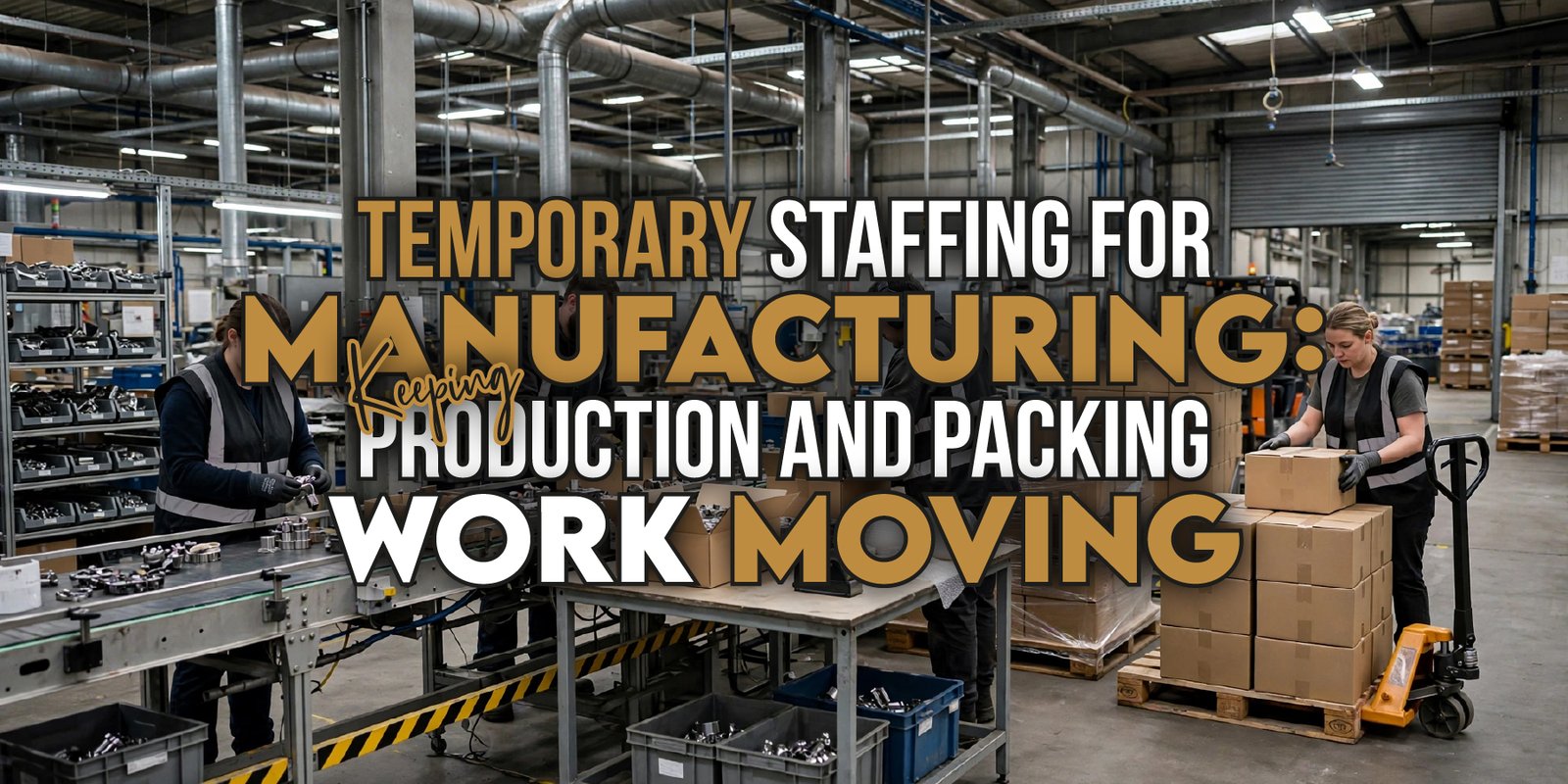
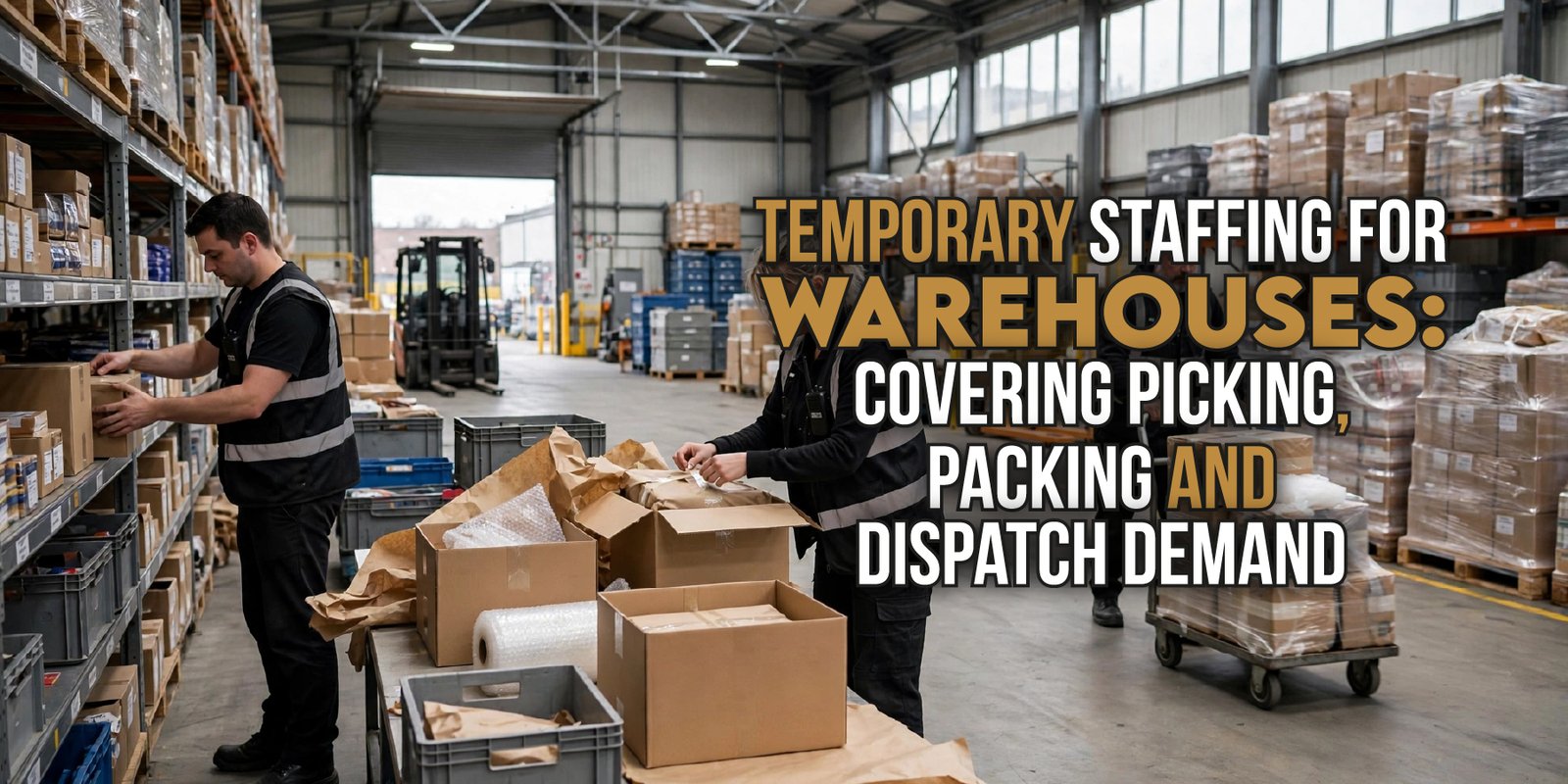
Warehouse requirements may include pickers, packers, operatives, loaders, forklift drivers, reach drivers, Flexi or Bendi operators, dispatch workers, stock handlers and goods-in teams.
For warehouse managers, how to hire temporary staff depends on separating general labour from skilled equipment roles. H&D’s role pages list these positions alongside returns, van-driving and general operational roles.
When deciding how to hire temporary staff for these environments, employers should distinguish trained equipment operators from general warehouse workers. Forklift, reach and Flexi roles may require relevant training evidence or certification, while driving roles may need appropriate licence checks.
In addition, the site should explain picking systems, scanner use, lifting expectations and productivity measures. Clear instructions help workers understand the shift without guessing.
Temporary Staff for Hospitality, Security and Events
Hospitality employers may need housekeepers, room attendants, linen porters, kitchen porters, waiting staff or reception support. In hospitality and events, how to hire temporary staff starts with exact duties and guest-facing expectations.
Event and venue operators may also require service workers, stewards or back-of-house assistance.
Security roles need particular care. H&D lists SIA Door Supervisors, guards, CCTV operators, mobile patrol drivers and other security positions. GOV.UK states that many private security activities require the correct SIA licence, while employers can use the official service to check a licence.
Consequently, how to hire temporary staff for regulated work includes checking the exact activity, licence category and site requirement. Employers should never assume that one security licence covers every role.
Temporary Versus Permanent Recruitment
Temporary recruitment suits absence, short projects, seasonal demand and uncertain workloads. Deciding how to hire temporary staff also involves comparing short-term flexibility with long-term workforce continuity.
Temp-to-permanent arrangements may suit recurring needs when an employer wants to assess longer-term fit before offering a permanent role.
Permanent recruitment, however, fits core positions with stable duties and sustained demand. Employers considering how to hire temporary staff should avoid using short assignments to solve a vacancy that clearly needs long-term ownership.
Therefore, employers deciding how to hire temporary staff through a temp-to-permanent route should confirm conversion terms before the assignment starts.
What Employers Should Prepare Before Requesting Staff
Before deciding how to hire temporary staff, employers should prepare a strong staffing brief that includes:
- Role title and department
- Required headcount
- Main duties
- Site address and postcode
- Shift dates and exact times
- Assignment length
- Required experience
- Licence or certification requirements
- Manual-handling duties
- Machinery or vehicle use
- PPE and uniform requirements
- Break arrangements
- Reporting manager
- Health and safety information
- Pay or approved budget
- Preferred start date
- Employer contact details
More importantly, employers learning how to hire temporary staff should separate essential criteria from preferences. An unnecessarily long requirement list may reduce the available candidate pool without improving role suitability.
Plan Temporary Staffing Before the Rota Breaks
Early planning gives the agency more time to understand the requirement and check worker availability. Employers should share role details, headcount, duties, shift pattern, location and assignment length before the rota becomes critical.
Businesses can discuss their temporary staffing needs with H&D Recruitment by submitting the site, timing, staffing numbers and shift details requested on its quote form.
At the same time, employers must prepare access, induction, equipment and a named supervisor before workers arrive.
Compliance, Induction and Site Readiness
Employers should give temporary and agency workers suitable site information, task instructions and health and safety support. Properly understanding how to hire temporary staff includes preparing the site, not only sourcing the worker.
HSE states that suppliers and end-user businesses must communicate and cooperate so placements protect workers.
A practical induction should cover emergency procedures, site rules, reporting lines, restricted areas, breaks, PPE and task-specific risks. In addition, the employer should confirm who answers questions during the shift.
Roles involving machinery, driving, manual handling or private security may need further checks. Therefore, how to hire temporary staff properly includes verifying requirements before the assignment, not after the worker reaches the site.
Common Mistakes Employers Make
A common mistake is waiting until the rota is already short. Employers asking how to hire temporary staff should plan before operational pressure becomes urgent. Late requests reduce planning time and may narrow the available worker pool.
Other mistakes include unclear shift times, incomplete duties, missing PPE information and no reporting contact. Employers also create problems when they change the role after booking workers.
Moreover, how to hire temporary staff should not become a price-only decision. Role fit, attendance expectations, induction quality, supervision and legal responsibilities also matter.
Finally, employers should not assume that an agency guarantees immediate availability. Each request depends on the role, site, notice, shift and current candidate pool.
Practical Temporary Staffing Examples
A Hounslow warehouse might need extra pickers after an unexpected order increase. Meanwhile, a Heathrow-area logistics site could require loaders for several night shifts.
A hotel may need temporary housekeeping staff during a high-occupancy weekend. Similarly, a security site may request correctly licensed cover for additional shifts.
A factory might need production workers for a defined project. These examples are hypothetical and are not H&D Recruitment client case studies.
In every example, how to hire temporary staff starts with a complete staffing brief. The employer should explain duties, location, hours, experience and assignment length.
Looking for Security Work?
Candidates can explore security job opportunities through H&D Recruitment. The jobs page lists roles including SIA Door Supervisor, CCTV, mobile patrol, event stewarding and other security positions, with licence requirements stated for several roles.
Applicants should provide accurate experience, availability and licence details. Current opportunities can change according to employer requirements.
How H&D Recruitment Supports Employers
H&D Recruitment describes temporary, part-time and full-time staffing support from its Hounslow base. Its website covers warehouse, logistics, hospitality, security, manufacturing and wider operational recruitment.
For employers asking how to hire temporary staff, H&D can assess the role, headcount, shift pattern, site and assignment information. Suitable support will depend on worker availability and the details of the request.
Clear information helps employers understand how to hire temporary staff for urgent cover, planned demand or longer-term hiring.
Build a Temporary Staffing Plan Before Demand Peaks
Knowing how to hire temporary staff allows employers to respond to absence, peaks, projects and operational pressure with a structured process. The strongest plans combine a clear brief, current compliance checks, early communication, induction and supervision.
H&D Recruitment can assess requirements for warehouse, logistics, hospitality, security, manufacturing, production and operational roles. Employers should share the site location, required headcount, shifts, duties, start date, assignment length and any licence or PPE requirements.
Businesses can request staff supply services and give H&D Recruitment the information needed to review the requirement. Availability remains subject to the role, location, notice and current candidate pool.
Temporary Staffing Comparison Table
| Staffing Option | Best For | Main Benefit | Employer Consideration |
|---|---|---|---|
| Temporary staff | Absence, peaks and short-term projects | Flexible workforce support | Availability and induction |
| Temp-to-permanent workers | Recurring staffing needs | Assess longer-term suitability | Confirm conversion terms |
| Permanent recruitment | Core long-term roles | Long-term workforce planning | Longer hiring process |
| Specialist agency workers | Licensed or skilled roles | Role-specific experience | Check licence, site and compliance needs |
Employer Checklist
- Confirm the role title and department
- State the number of workers needed
- Provide the full site location
- Confirm shift dates and exact hours
- Explain the assignment length
- List essential experience
- Identify licence requirements
- Confirm PPE and uniform needs
- Explain manual-handling duties
- Identify machinery or vehicle use
- Prepare a site induction
- Name the reporting manager
- Confirm break arrangements
- Provide health and safety information
- Identify weekend or night-shift requirements
- Share pay or approved budget
- Confirm the preferred start date
- Provide an employer contact
FAQ Section
How do I hire temporary staff in the UK?
To understand how to hire temporary staff, define the role, duties, headcount, location, shifts, assignment length and essential requirements. Then share the full brief with a temporary recruitment agency, review available workers and prepare induction, equipment and supervision before the first shift.
What is temporary staff hiring?
Temporary staff hiring means bringing workers into a business for a limited assignment, project, shift pattern, seasonal peak or absence gap. Employers may use temporary workers for one shift, several weeks or a defined longer-term period.
Why do employers use agency workers UK?
Employers use agency workers UK to cover absence, seasonal demand, night shifts, weekends, projects and sudden workload increases. Hirers should still understand their responsibilities for health and safety and provide accurate working-condition information where agency worker rights apply.
What does a temporary recruitment agency do?
A temporary recruitment agency assesses an employer’s staffing brief, searches for potentially suitable workers and coordinates availability. Depending on the service, it may also support screening, shift communication, onboarding and assignment administration.
Can H&D Recruitment provide temporary warehouse staff in Hounslow?
H&D Recruitment can assess requests for temporary warehouse staff in Hounslow, including picker, packer, loader, dispatch, stock and general operative requirements. Availability depends on the role, shift, site, notice and current candidate pool.
Can temporary staff cover Heathrow-area warehouse and logistics shifts?
Temporary workers may support Heathrow-area warehouses, courier operations, distribution sites and fulfilment teams. Requirements can include picking, packing, loading, scanning, dispatch and returns. Availability depends on the role, shift time, location and assignment details.
Can agency workers cover hospitality or security roles?
Agency workers may support hospitality and correctly licensed security roles where suitable candidates are available. Private security activities can require the appropriate SIA licence, so employers should check the role and licence category through current official guidance.
What information does an agency need before supplying temporary staff?
An agency normally needs the role, duties, headcount, site address, shift hours, start date, assignment length, experience, PPE, licence requirements and reporting contact. Clear information helps the agency assess the requirement and communicate it accurately.
What is the difference between temporary and permanent recruitment?
Temporary recruitment supports defined short-term needs, absence, projects and changing demand. Permanent recruitment focuses on core, ongoing roles. Temp-to-permanent arrangements may help an employer assess longer-term suitability before making a permanent offer.
Can candidates apply for security jobs through H&D Recruitment?
Yes. Candidates can review H&D Recruitment’s security job section for roles such as SIA Door Supervisor, CCTV, mobile patrol and event stewarding. Applicants should confirm their experience, availability and applicable licence details.