A recruitment agency for employers helps businesses find, screen and arrange suitable staff for temporary roles, urgent cover, shift work, permanent hiring and busy operational periods. Before requesting workers, employers should check the agency’s sector experience, screening process, staff availability, communication style, compliance checks and quote clarity.
However, good recruitment support needs more than a quick phone call. Employers should share the role, headcount, shift times, site address, experience needed, uniform rules and reporting contact. Therefore, a recruitment agency for employers works best when the employer and agency both understand the job properly before staff arrive.
This guide explains what UK employers should check before using agency staff supply, flexible staffing or permanent recruitment support.
What Is a Recruitment Agency for Employers?
A recruitment agency for employers supports businesses that need staff for short-term, long-term, temporary or permanent roles. It helps employers reduce hiring pressure by managing practical recruitment steps.
A recruitment agency for employers may help with:
- Candidate sourcing
- Screening
- Shortlisting
- Availability checks
- Shift coordination
- Temporary staff
- Permanent recruitment
- Agency workers
- Ongoing staffing support
- Urgent cover
- Staff replacement planning
In simple terms, a recruitment agency for employers gives businesses extra hiring capacity when internal teams need help finding suitable people.
Why Employers Use a Recruitment Agency
Employers use recruitment support when they need staff quickly, when internal hiring takes too long or when business demand changes faster than planned.
A recruitment agency for employers can help during:
- Staff shortages
- Seasonal demand
- Sickness cover
- Holiday cover
- Warehouse pressure
- Hospitality peaks
- Events
- Short-term projects
- New contracts
- Long-term hiring needs
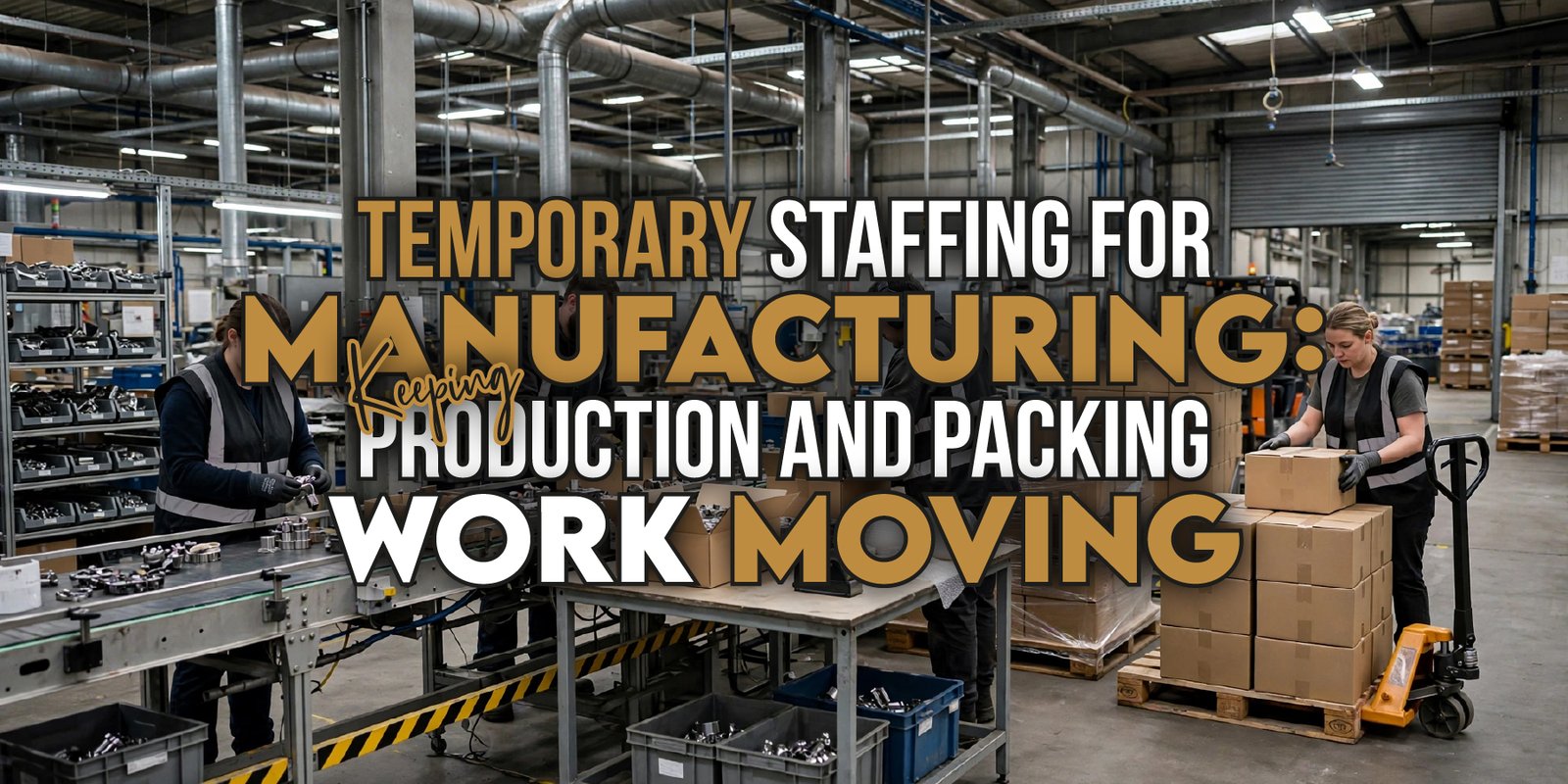
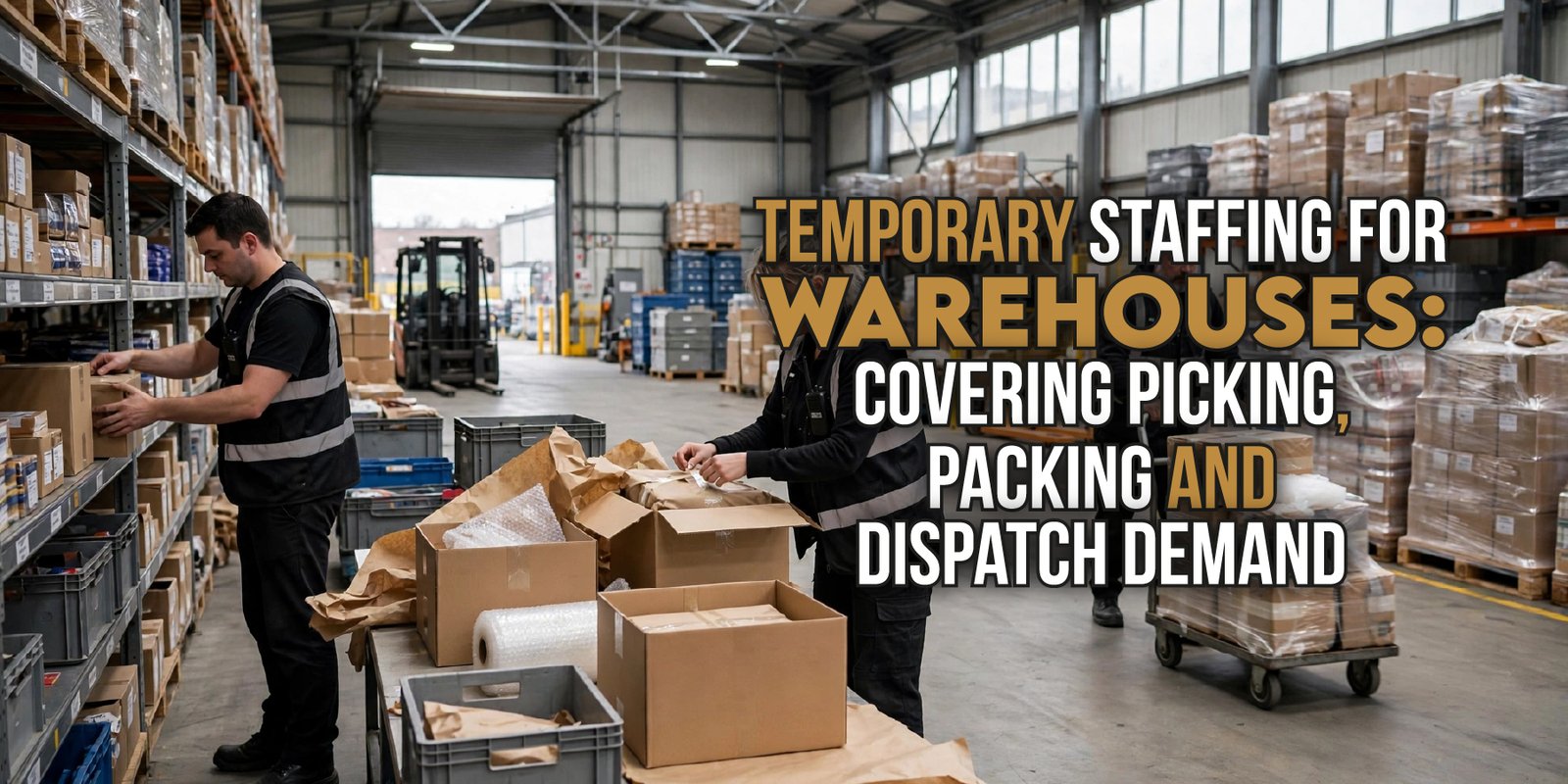
For example, a warehouse manager may need extra staff for dispatch pressure. Meanwhile, a hospitality manager may need housekeepers, porters or waiting staff during a busy weekend. In both cases, a recruitment agency for employers helps the business move faster without starting every search from zero.
Employer Staffing Agency Support: What Should It Include?
An employer staffing agency should understand the employer’s sector, site requirements, role expectations, shift times, worker availability, compliance needs and reporting process. It should also ask practical questions before sending staff.
Good employer staffing agency support should include:
- Clear role brief discussion
- Worker availability checks
- Screening process
- Shift matching
- Site requirement review
- Temporary staffing options
- Agency workers where needed
- Communication before shifts
- Replacement process
- Quote clarity
H&D Recruitment’s staffing agency support explains how staffing agency services can help employers cover shift gaps, staff shortages, absence, seasonal demand and workload pressure.
A recruitment agency for employers should make staffing easier, not more confusing.
Recruitment Partner vs Basic Staff Supplier
A recruitment partner does more than send names. It tries to understand business demand, role fit, worker reliability, shift expectations, compliance requirements and long-term staffing needs.
A basic supplier may only focus on filling a gap. However, a stronger recruitment partner looks at the bigger picture.
A recruitment partner should consider:
- What the role involves
- How many workers the employer needs
- How long the support may last
- What experience matters
- What site rules apply
- Whether the need is temporary or permanent
- How quickly workers must start
- What communication process works best
H&D Recruitment’s recruitment agency support explains how recruitment agency services can help employers with sourcing, screening, availability checks, shift coordination and permanent hiring needs.
When employers want long-term value, a recruitment agency for employers should act like a recruitment partner, not only a contact list.
Agency Staff Supply: What Employers Should Check First
Agency staff supply works best when employers provide clear details before confirming workers. If the role brief stays vague, the agency may struggle to match the right people to the right site.
Before confirming agency staff supply, check:
- Staff availability
- Role suitability
- Experience level
- Right-to-work process
- Uniform needs
- Site rules
- Start times
- Contact points
- Travel details
- Parking information
- Break arrangements
- Supervisor contact
Employers should also explain the working environment. For example, warehouse staff may need lifting expectations, PPE details or shift speed information. Meanwhile, hospitality staff may need service standards, dress code and guest-facing expectations.
A recruitment agency for employers can only support properly when it receives accurate information.
Staff Hiring Support for Temporary and Permanent Roles
Staff hiring support can cover temporary staffing, short-term cover, long-term recruitment, permanent roles, shift-based staffing and urgent hiring. The right route depends on the employer’s need.
Temporary staff can help with:
- Busy shifts
- Absence
- Seasonal demand
- Events
- Warehouse pressure
- Hospitality peaks
- Short-term cover
- Trial periods
Permanent recruitment can help with:
- Long-term vacancies
- Workforce growth
- Specialist roles
- Stable business demand
- Repeated staffing gaps
- Planned hiring
A recruitment agency for employers can help businesses decide whether temporary cover, agency workers or permanent hiring makes more sense.
Sectors That Need a Recruitment Agency for Employers
A recruitment agency for employers can support sectors where staffing demand changes quickly or where managers need reliable hiring support.
Common sectors include:
- Warehousing
- Logistics
- Hospitality
- Security
- Events
- Cleaning
- Facilities
- Retail
- Commercial operations
For example, logistics businesses may need warehouse operatives, pickers, packers or drivers. Meanwhile, event organisers may need temporary staff for specific dates, and facilities teams may need cleaning or operational support.
Because each sector has different expectations, employers should choose an agency that understands their working environment.
What Employers Should Prepare Before Requesting Staff
Employers get better results when they prepare the right information before contacting a recruitment agency for employers. Clear details help the agency match workers faster and avoid confusion.
Prepare:
- Job role
- Number of staff required
- Shift dates
- Shift times
- Site address
- Pay rate
- Skills needed
- Experience level
- Uniform requirements
- Reporting contact
- Break details
- Health and safety information
- Travel or parking details
- Temporary or permanent requirement
For example, “three warehouse operatives needed for Monday to Friday, 8am to 5pm, with safety shoes required” gives the agency useful detail. In contrast, “we need staff urgently” leaves too much open.
What to Check Before Choosing a Recruitment Agency for Employers
Before choosing a recruitment agency for employers, compare service quality, sector knowledge and communication, not only price.
Use this checklist:
- Sector experience
- Candidate screening process
- Local worker availability
- Temporary staffing options
- Permanent recruitment options
- Response time
- Compliance process
- Communication style
- Shift coordination
- Replacement process
- Quote clarity
- Ability to manage urgent requests
Also ask how the agency handles role briefs, worker updates, attendance, reporting and replacement cover. A good recruitment agency for employers should explain the process before staff arrive.
Common Mistakes Employers Make When Choosing Recruitment Support
Choosing Only by Price
Price matters, but suitability, communication, screening and reliability matter too.
Not Sharing Full Role Details
A poor role brief can create mismatched expectations.
Waiting Until the Last Minute
Late requests reduce planning time, especially during peak demand.
Not Confirming Shift Times Clearly
Workers need exact start times, finish times, breaks and reporting instructions.
Ignoring Travel and Location Issues
Location can affect worker availability, especially for early or late shifts.
Not Explaining Site Rules
Agency workers need clear site rules, uniform details and supervisor contact points.
Using a General Provider for Specialist Roles
Sector-specific roles often need an agency that understands the environment.
Not Checking Screening Processes
Employers should ask how candidates are sourced, screened and matched.
Not Planning for Peak Demand
Warehouses, hotels, events and retail businesses should forecast busy periods early.
Not Working With a Recruitment Agency for Employers Before Busy Periods
A recruitment agency for employers can support better planning when employers engage before demand becomes urgent.
Recruitment Agency for Employers: Temporary Staff vs Permanent Hiring
A recruitment agency for employers can help businesses decide between temporary staff and permanent hiring. Both options work, but they solve different problems.
Temporary staffing suits:
- Urgent cover
- Short-term demand
- Seasonal peaks
- Events
- Absence
- Trial periods
- Flexible staffing
- Temporary projects
Permanent recruitment suits:
- Long-term vacancies
- Stable workloads
- Role continuity
- Business growth
- Staff retention
- Planned workforce expansion
For temporary needs, employers can use H&D Recruitment’s temporary staffing support to discuss staffing agency solutions, flexible staffing support and agency workers.
For long-term hiring, H&D Recruitment’s permanent recruitment support explains how recruitment support for businesses can help with sourcing, screening and planned recruitment.
A recruitment agency for employers should help the business choose the right staffing route, not push one option for every situation.
How H&D Recruitment Supports Employers
H&D Recruitment supports UK employers with temporary staff, agency workers, staff hiring support, sector-specific recruitment, urgent cover and ongoing staff supply across busy operational sectors.
Employers can use H&D Recruitment’s employer staffing agency support when they need temporary workers, flexible cover, agency workers or support during workload pressure.
For long-term hiring, H&D Recruitment also provides recruitment agency services for employers who need permanent recruitment, structured sourcing and wider staff hiring support.
H&D Recruitment can support:
- Temporary staff
- Agency staff supply
- Permanent recruitment
- Flexible staffing
- Warehouse staffing
- Hospitality staffing
- Security staffing
- Event staffing
- Cleaning and facilities support
- Commercial workforce support
If your business needs staffing help, you can request a recruitment quote and share your sector, headcount, shift pattern, site location and timeline.
Recruitment Agency for Employers Checklist
Use this checklist before requesting staff.
✓ Confirm the role title.
✓ Confirm the sector.
✓ Confirm the number of workers.
✓ Share the shift pattern.
✓ Confirm the start date.
✓ Confirm the expected duration.
✓ List required skills.
✓ Share site rules.
✓ Confirm compliance needs.
✓ Explain uniform requirements.
✓ Provide the reporting manager.
✓ Share location details.
✓ Confirm urgency level.
✓ State temporary or permanent need.
✓ Prepare quote request details.
✓ Add travel or parking information.
✓ Share health and safety information.
✓ Speak with a recruitment agency for employers before peak demand arrives.
Frequently Asked Questions
What does a recruitment agency for employers do?
A recruitment agency for employers helps businesses source, screen, shortlist and arrange suitable staff for temporary roles, agency workers, permanent recruitment, urgent cover and shift-based staffing.
Why should businesses use an employer staffing agency?
Businesses use an employer staffing agency when they need staffing support for absence, peak demand, urgent roles, temporary cover, flexible staffing or long-term recruitment planning.
What makes a good recruitment partner?
A good recruitment partner understands the employer’s sector, role requirements, staff availability, compliance needs, shift expectations, communication process and long-term staffing goals.
How does agency staff supply work?
Agency staff supply usually starts with a staffing brief. The agency checks role requirements, worker availability, experience, shift times and site details before arranging suitable staff.
What staff hiring support can employers request?
Employers can request staff hiring support for temporary staff, agency workers, permanent recruitment, urgent cover, flexible staffing, sector-specific roles and planned workforce growth.
How can H&D Recruitment help employers find staff?
H&D Recruitment can help employers find staff by discussing staffing needs, sourcing suitable workers, supporting agency staff supply, arranging temporary cover and providing recruitment support.
Find the Right Staff Support for Your Business
A recruitment agency for employers should help businesses cover staffing gaps, plan workforce needs and choose the right support for temporary roles, agency workers, permanent hiring or urgent cover.
With clear role details, shift times, site rules and communication, employers can get better value from staff hiring support and agency staff supply.
If your business needs a recruitment agency for employers that can support temporary staffing, agency staff supply, permanent recruitment, or urgent staff hiring support, speak with H&D Recruitment and get a quote today.