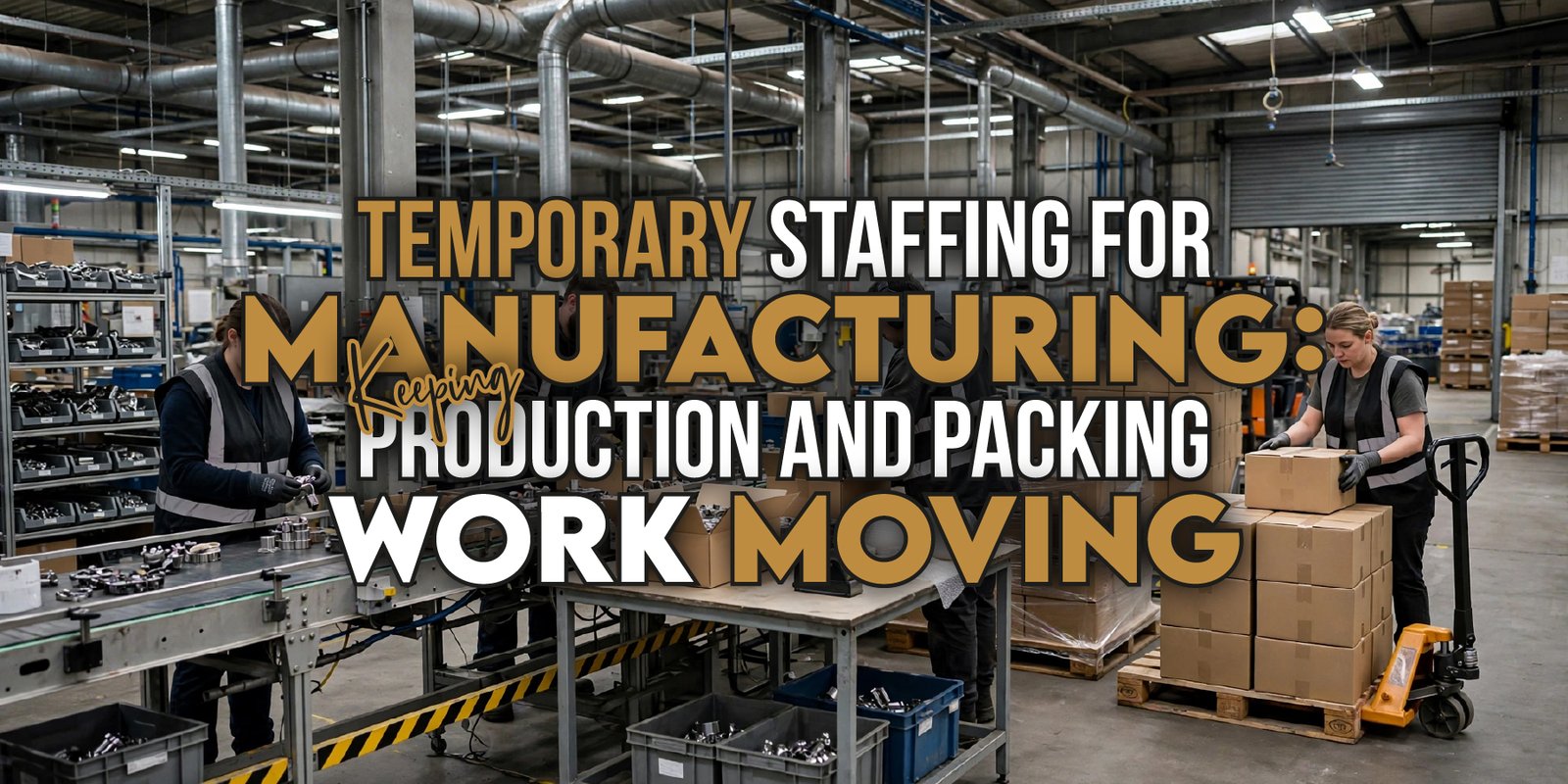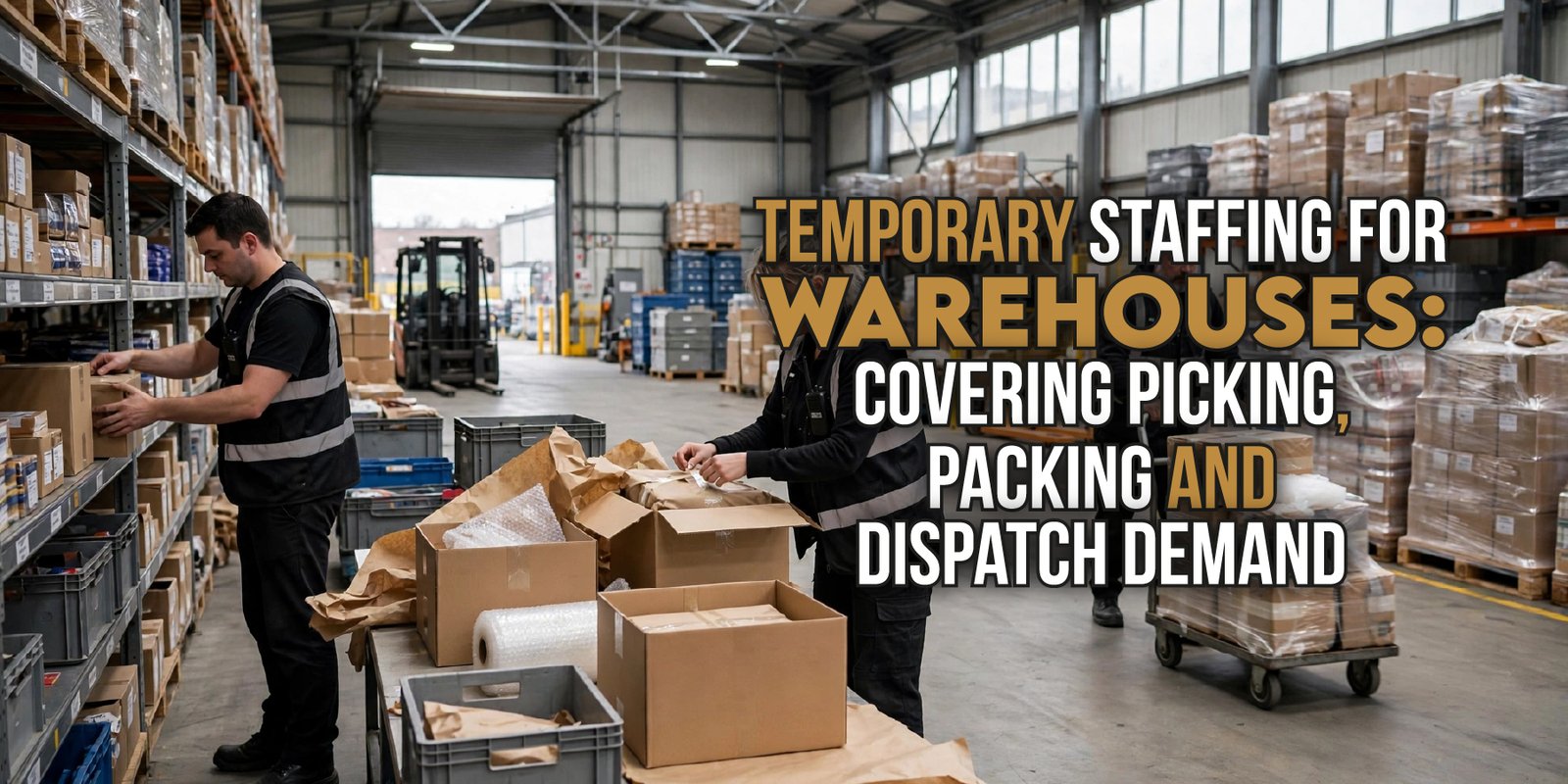
A temporary staffing agency helps employers cover busy periods, sickness, holidays, last-minute absence, seasonal demand, events, warehouse pressure, hospitality peaks and short-term operational gaps without committing to long-term hiring. When demand changes quickly, employers need staff who can support the business without slowing daily operations.
However, temporary staffing still needs structure. Employers must share role details, shift times, site rules, reporting contacts, required experience and compliance expectations before requesting agency workers. Therefore, a temporary staffing agency can help businesses manage short-term cover while keeping hiring practical and organised.
This guide explains how temporary staff for businesses work, when flexible staffing makes sense and how H&D Recruitment supports employers across busy UK sectors.
What Is a Temporary Staffing Agency?
A temporary staffing agency helps employers find workers for short-term, flexible or urgent staffing needs. Instead of hiring permanent staff for every demand spike, employers can request temporary workers for specific shifts, days, weeks, projects or seasonal periods.
A temporary staffing agency can support:
- Candidate sourcing
- Screening
- Availability checks
- Shift coordination
- Temporary placements
- Agency workers
- Urgent cover
- Short-term roles
- Ongoing staffing support
- Replacement planning
- Sector-specific recruitment
In simple terms, a temporary staffing agency gives employers extra workforce support when internal teams cannot cover demand alone.
Why Employers Use a Temporary Staffing Agency
Employers use a temporary staffing agency because workload does not always follow a fixed hiring plan. Demand can rise suddenly because of new contracts, seasonal trading, warehouse orders, events, staff absence or hospitality peaks.
Common reasons include:
- Workload spikes
- Staff absence
- Seasonal trading
- Events
- New contracts
- Warehouse order increases
- Hotel occupancy changes
- Last-minute cover
- Weekend demand
- Short-term projects
For example, a warehouse manager may need extra pickers and packers for a busy dispatch week. Meanwhile, a hotel may need housekeepers, porters or kitchen support during high occupancy. A temporary staffing agency helps employers respond without rushing into long-term hiring.
Temporary Staff for Businesses: When Do Employers Need Them?
Temporary staff for businesses make sense when employers need quick support for short-term demand. This can include a single shift, a busy weekend, a seasonal period or a temporary project.
Employers may need temporary staff for businesses during:
- Sickness cover
- Holiday cover
- Weekend demand
- Seasonal peaks
- Warehouse order increases
- Hotel and hospitality busy periods
- Events and venue support
- Short-notice operational cover
- Trial periods before permanent hiring
For example, a logistics company may need temporary staff for businesses when order volume increases before a deadline. Likewise, an events team may need extra workers for one venue date.
A temporary staffing agency can help match the role, shift and expected duration to available workers.
Flexible Staffing for Changing Demand
Flexible staffing helps employers adjust staff numbers based on workload, shift patterns, busy days and changing client requirements. Instead of carrying extra permanent headcount all year, businesses can bring in support when pressure rises.
H&D Recruitment’s staffing agency support explains how flexible staffing solutions can help businesses fill roles during staff shortages, temporary demand, shift gaps and operational pressure.
Flexible staffing can support:
- Peak workload
- Short shifts
- Seasonal projects
- Urgent replacement cover
- One-off events
- Warehouse backlogs
- Hospitality rushes
- Cleaning support
- Facilities cover
- Temporary-to-permanent planning
Temporary Staffing Agency Support for Flexible Staffing
A temporary staffing agency can help employers plan flexible staffing by checking role requirements, confirming availability and coordinating shifts. This gives managers a practical route when demand changes faster than internal hiring can handle.
Temporary Staffing Agency Support During Peak Demand
Peak demand can stretch permanent teams. Therefore, temporary staffing support can help employers cover busy days, seasonal periods and unexpected workload increases.
Short Term Staff Agency Support for Urgent Cover
A short term staff agency supports employers that need workers for days, weeks, seasonal periods, events or project-based work. This type of support can help when a business cannot wait for a full permanent recruitment process.
Short term staff agency support can help with:
- Same-week staffing pressure
- Short-notice absence
- Event shifts
- Temporary warehouse cover
- Hospitality cover
- Cleaning cover
- Facilities support
- Project work
- Seasonal demand
- Trial periods
A temporary staffing agency can also help employers avoid overloading permanent staff when urgent cover appears.
Agency Workers: What Employers Should Know
Agency workers can help employers cover temporary and flexible roles, but employers should prepare properly before requesting them. Clear information improves attendance, role matching and shift handovers.
Before requesting agency workers, employers should confirm:
- Role requirements
- Shift times
- Site address
- Site rules
- Reporting contact
- Uniform needs
- Required experience
- Training expectations
- Break arrangements
- Compliance requirements
- Health and safety information
- Start date and expected duration
Employers should also check current right-to-work requirements, agency worker rules, internal HR policies and professional guidance where needed. A temporary staffing agency can support the process, but employers still need to provide clear site and role information.
Temporary Staffing Agency vs Recruitment Agency
A temporary staffing agency mainly helps employers cover short-term, flexible or urgent staffing needs. A recruitment agency may support permanent roles, long-term hiring and planned workforce growth.
H&D Recruitment’s recruitment agency support page explains how employers can use recruitment agency support for sourcing, screening and hiring across busy sectors.
| Support Type | Best For | Main Benefit | What to Check | Planning Tip |
|---|---|---|---|---|
| Temporary staffing agency | Short-term cover, absence and peak demand | Flexible headcount | Shift details and duration | Share requirements early |
| Recruitment agency | Permanent recruitment and long-term hiring | Structured candidate sourcing | Role brief and hiring timeline | Plan before gaps widen |
| Short term staff agency | Days, weeks, events or projects | Fast operational cover | Start date and end date | Confirm reporting contact |
| Flexible staffing | Changing workload | Adjustable support | Workload pattern | Match staff to demand |
| Agency workers | Temporary assignments | Extra workforce support | Site rules and compliance | Prepare induction details |
Both options can help employers, but the right choice depends on urgency, assignment length and business need.
Sectors That Benefit from Temporary Staffing
A temporary staffing agency can support employers across sectors where demand changes quickly. This includes operational, customer-facing and shift-based workplaces.
Sectors that benefit include:
- Warehousing
- Logistics
- Hospitality
- Security
- Events
- Cleaning
- Facilities
- Retail
- Commercial operations
For example, warehouse teams may need pickers, packers or loading support during order increases. Meanwhile, hospitality managers may need temporary staff for events, weekend service or seasonal demand.
A temporary staffing agency helps employers connect staffing support with real operational pressure.
How Temporary Staffing Helps Employers Avoid Long-Term Hiring Pressure
Temporary staffing helps employers cover demand without rushing permanent recruitment. This gives managers time to assess workload, review budgets and decide whether the role needs short-term or long-term support.
It can help with:
- Short-term flexibility
- Operational continuity
- Shift cover
- Peak demand
- Reduced internal pressure
- Better workforce planning
- Temporary-to-permanent options
- Cover while permanent hiring continues
- Support for new contracts
- Cover during staff absence
For example, an employer may need extra warehouse operatives for six weeks. A temporary staffing agency can support that short period while the employer reviews whether demand will continue.
What to Prepare Before Requesting Temporary Staff
Employers get better results when they prepare clear information before contacting a temporary staffing agency.
Prepare:
- Job role
- Number of workers needed
- Shift dates
- Shift times
- Site address
- Pay rate
- Required experience
- Uniform requirements
- Reporting contact
- Break arrangements
- Site rules
- Health and safety requirements
- Travel or parking details
- Start date
- Expected duration
For example, “warehouse operative needed Monday to Friday, 8am to 5pm” gives more clarity than “we need staff urgently”. Better details help a temporary staffing agency match workers to the right assignment.
Common Mistakes Employers Make with Temporary Staffing
Waiting Until the Last Minute
Late requests can reduce the time available for sourcing, screening and shift coordination.
Not Sharing Shift Details Clearly
Workers need dates, times, location, role duties and reporting instructions.
Choosing Only by Price
Cost matters, but suitability, communication and reliability also matter.
Not Explaining Role Requirements
Vague role briefs can lead to mismatched expectations.
Not Confirming Reporting Instructions
Agency workers need to know who to meet and where to report.
Ignoring Travel Time and Location
Early shifts, late finishes and remote sites can affect worker availability.
Not Planning for Peak Demand
Seasonal peaks and busy periods need advance planning.
Treating Temporary Staff Without Proper Site Guidance
Temporary workers still need clear site rules, duties and supervisor contact details.
Not Working With a Temporary Staffing Agency Before Busy Periods
A temporary staffing agency can support better planning when employers engage before pressure builds.
How H&D Recruitment Supports Employers
H&D Recruitment supports employers with temporary staff, agency workers, flexible staffing, short-term cover and recruitment support across busy operational sectors.
Employers can use flexible staffing solutions when they need temporary support for shift gaps, peak demand, absence, warehouse pressure, hospitality cover, cleaning teams, facilities support or urgent workload increases.
For longer-term hiring, H&D Recruitment also provides recruitment agency support for employers that need planned sourcing, screening and workforce growth.
H&D Recruitment can help with:
- Temporary staff for businesses
- Agency workers
- Short-term cover
- Flexible staffing
- Warehouse staff
- Hospitality staff
- Security staff
- Events staff
- Cleaning and facilities support
- Permanent recruitment planning
If your team needs support, you can request a staffing quote and share your role, headcount, shift pattern, site location and start date.
Temporary Staffing Agency Checklist for Employers
Use this checklist before requesting temporary workers.
✓ Confirm the staffing need.
✓ Confirm the sector.
✓ Write the role title.
✓ Confirm the number of staff.
✓ Share the shift pattern.
✓ Confirm the start date.
✓ Confirm the expected duration.
✓ List required skills.
✓ Share site rules.
✓ Confirm compliance needs.
✓ Explain uniform requirements.
✓ Provide the reporting manager.
✓ Confirm urgency level.
✓ Prepare quote request details.
✓ Add travel or parking information.
✓ Explain break arrangements.
✓ Share health and safety details.
✓ Speak with a temporary staffing agency before demand reaches its peak.
Frequently Asked Questions
What does a temporary staffing agency do?
A temporary staffing agency helps employers source, screen and coordinate temporary workers for short-term cover, urgent shifts, seasonal demand, events, absence and operational workload increases.
When should employers use temporary staff for businesses?
Employers should use temporary staff for businesses when they need cover for sickness, holidays, events, seasonal peaks, warehouse pressure, hotel demand or short-notice operational gaps.
How does flexible staffing help employers?
Flexible staffing helps employers adjust headcount around workload, shift patterns, busy periods, client demand and short-term projects without committing immediately to long-term hiring.
What is the difference between a short term staff agency and a recruitment agency?
A short term staff agency focuses on temporary cover for days, weeks, events or projects. A recruitment agency may also support permanent recruitment and long-term hiring.
What should employers know before hiring agency workers?
Before hiring agency workers, employers should confirm role duties, shift times, site rules, reporting contacts, uniform needs, training expectations, compliance checks and health and safety requirements.
How can H&D Recruitment help with temporary staffing agency support?
H&D Recruitment can help with temporary staffing agency support by discussing temporary staff, agency workers, flexible staffing, short-term cover and recruitment needs across busy sectors.
Cover Demand Without Long-Term Hiring Pressure
A temporary staffing agency helps employers manage changing demand, short-term cover, staff absence, busy periods, events and operational gaps without rushing into long-term hiring.
With clear role details, shift times, site rules and reporting instructions, temporary staffing becomes easier to organise and more useful for managers.
If your business needs temporary staff, agency workers, flexible staffing, or short-term cover, speak with H&D Recruitment and get a quote today.