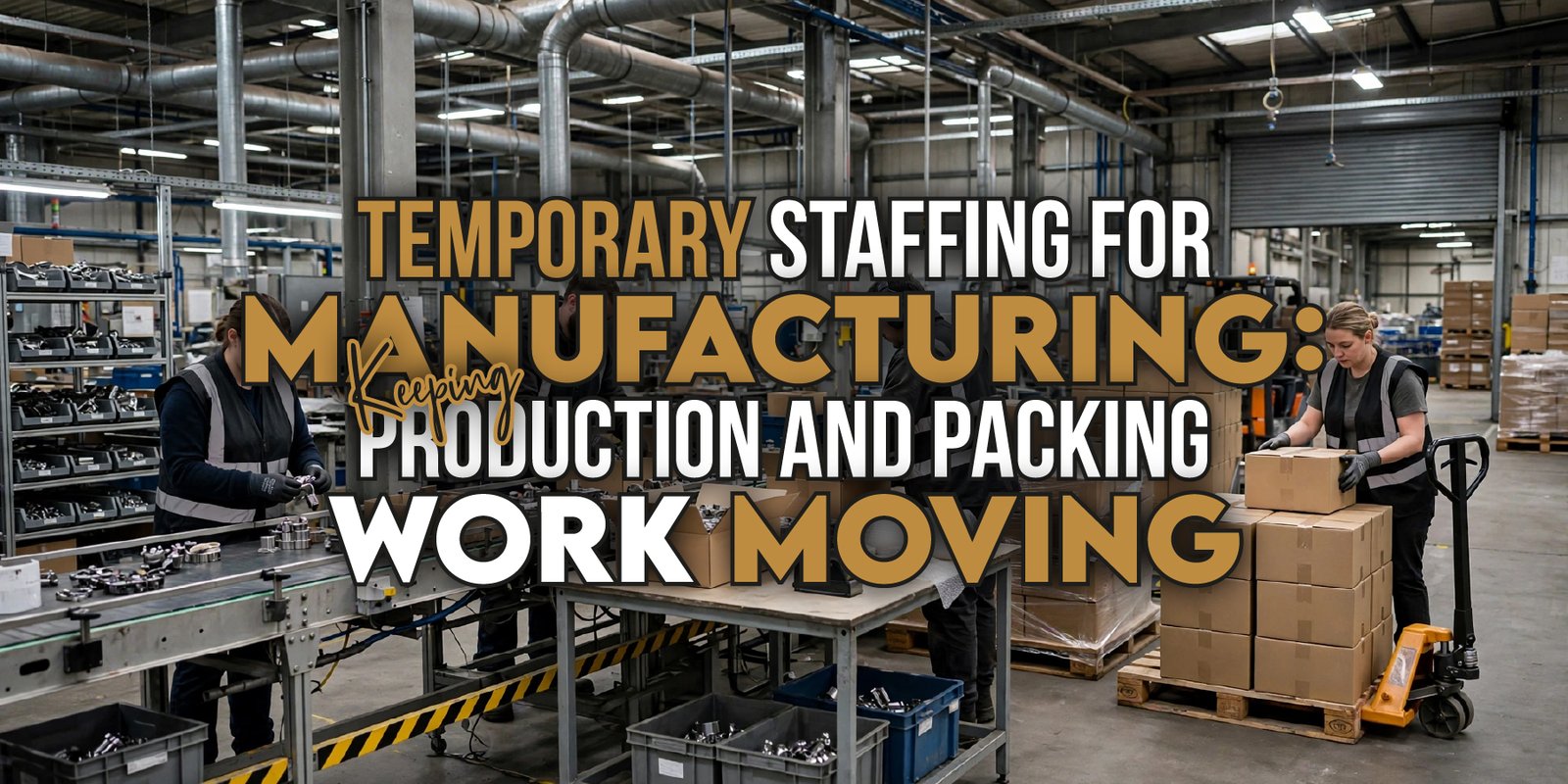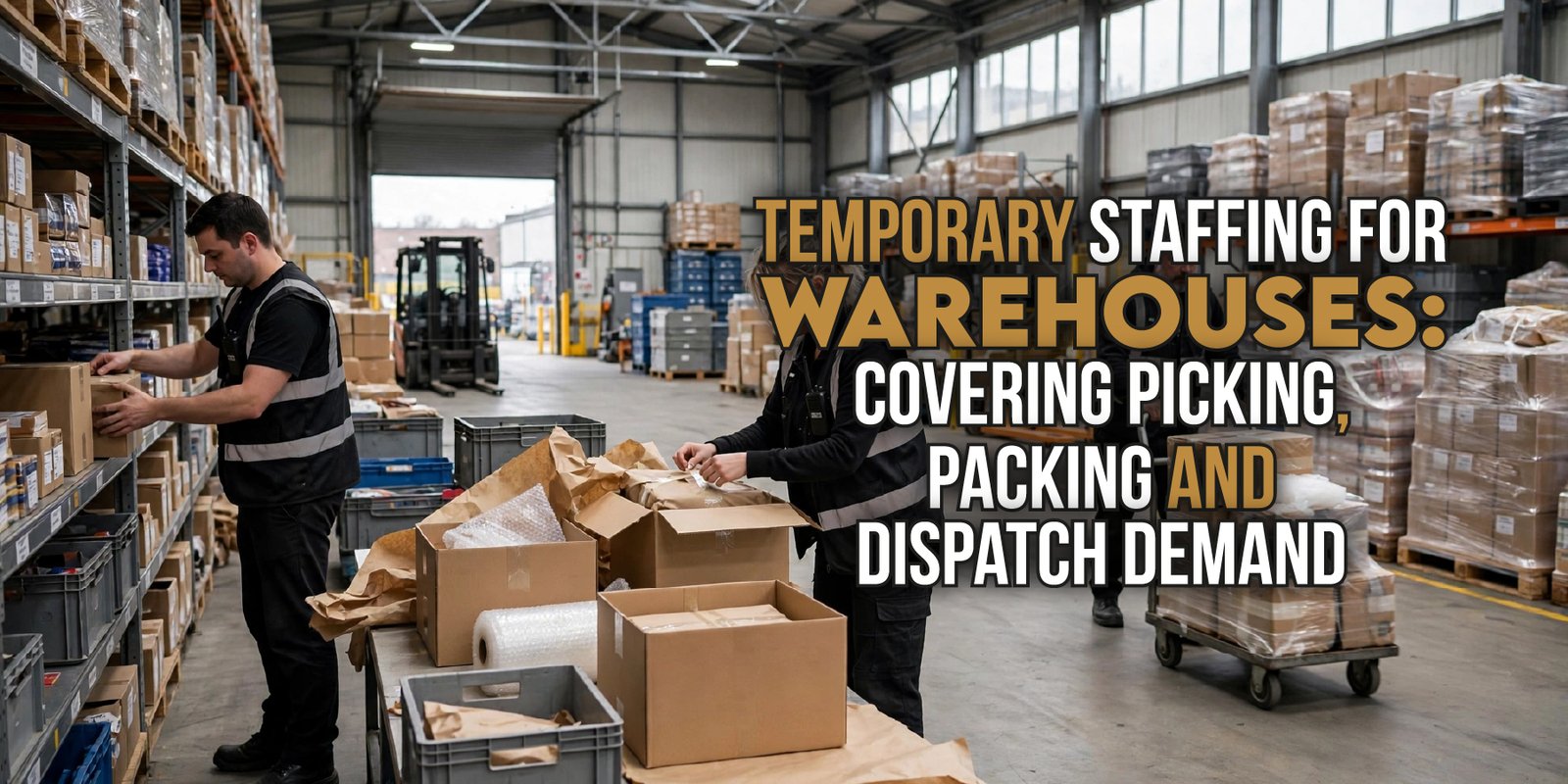
UK manufacturers continue to face growing staffing pressure.
Factories, production sites and warehouse operations often struggle to maintain reliable staffing levels while managing deadlines, production targets and delivery schedules. As a result, even small workforce gaps can create operational disruption very quickly.
A manufacturing labour shortage affects far more than recruitment numbers.
When manufacturers cannot fill shifts consistently, businesses may face:
- Delayed production
- Increased overtime pressure
- Attendance problems
- Higher turnover
- Quality control issues
- Slower dispatch operations
- Increased management pressure
Additionally, many businesses now compete for the same labour pool across logistics, warehousing, hospitality and operations sectors.
A manufacturing labour shortage usually refers to ongoing difficulty sourcing reliable production staff, machine operators, warehouse workers, packers, assembly staff and shift-based operatives.
However, solving a manufacturing labour shortage depends on many factors, including:
- Shift patterns
- Site location
- Pay rates
- Working conditions
- Labour availability
- Training requirements
- Workforce planning
- Compliance checks
- Operational expectations
This guide explains practical ways manufacturers can improve recruitment planning, strengthen workforce consistency and reduce staffing disruption.
What Does Manufacturing Labour Shortage Mean?
A manufacturing labour shortage happens when factories and production businesses cannot recruit or retain enough workers to support operational demand.
In many UK manufacturing environments, staffing shortages now affect:
- Production operatives
- Packers
- Assembly workers
- Machine operators
- Forklift drivers
- Warehouse support staff
- Shift supervisors
Several factors contribute to a manufacturing labour shortage.
For example:
- Fewer available workers in local areas
- Increased competition between employers
- Shift reluctance
- Transport limitations
- Seasonal demand pressure
- High turnover
- Training requirements
- Attendance concerns
Consequently, manufacturers often experience operational instability when workforce planning falls behind production demand.
A structured recruitment strategy helps businesses reduce long-term staffing pressure instead of relying only on emergency hiring.
Why UK Manufacturers Face Factory Worker Shortage Problems
The current factory worker shortage affects businesses across multiple sectors.
Manufacturers frequently compete with:
- Warehouses
- Logistics firms
- Retail operations
- Hospitality businesses
- Distribution centres
Many workers now compare flexibility, shift structure and travel convenience before accepting roles.
Meanwhile, employers often struggle with:
- Last-minute absences
- Shift gaps
- Recruitment delays
- High staff turnover
- Inconsistent attendance
- Limited training capacity
Furthermore, some manufacturing sites require specialist experience, which narrows the available talent pool even further.
Because of this, businesses must approach manufacturing recruitment strategically rather than reactively.
Manufacturing Staffing Challenges Table
| Staffing Challenge | Business Impact | Practical Solution | What Employers Should Prepare |
|---|---|---|---|
| Factory worker shortage | Production delays | Flexible recruitment planning | Clear staffing forecasts |
| Last-minute absences | Shift disruption | Temporary shift cover | Backup workforce plans |
| High turnover | Repeated onboarding | Better workforce consistency | Retention planning |
| Slow hiring | Operational pressure | Faster recruitment coordination | Clear job specifications |
| Skill gaps | Reduced productivity | Skills-based recruitment | Training expectations |
| Peak production demand | Staffing shortages | Temporary labour support | Seasonal forecasts |
| Shift pattern gaps | Coverage instability | Flexible rota planning | Shift schedules |
| Training delays | Slower onboarding | Structured induction plans | Training resources |
| Poor attendance | Workflow disruption | Attendance-focused screening | Attendance expectations |
| Right-to-work checks | Compliance risk | Recruitment verification support | Compliance procedures |
| Production line disruption | Reduced output | Workforce continuity planning | Staffing backups |
| Quality control pressure | Operational inconsistency | Better role matching | Quality standards |
| Warehouse support gaps | Dispatch delays | Warehouse staffing support | Operational planning |
| Forklift driver shortages | Loading delays | Targeted recruitment | Licence requirements |
How Labour Shortages Affect Production, Quality, and Delivery
A manufacturing labour shortage affects daily operations quickly.
Production lines rely heavily on workforce consistency. Therefore, repeated staffing gaps often create wider operational disruption across the site.
Common operational effects include:
- Slower production output
- Overtime pressure
- Reduced flexibility
- Missed dispatch deadlines
- Delayed loading operations
- Increased supervisor workload
Additionally, understaffed operations may struggle with quality control because teams rush production during busy periods.
Businesses dealing with a long-term factory worker shortage also face greater pressure during seasonal peaks or sudden production increases.
Production Staffing: What Roles Are Hardest to Fill?
Many manufacturers now struggle to recruit workers for shift-based operational roles.
Common hard-to-fill positions include:
- Production operatives
- Machine operators
- Packers
- Assembly staff
- Forklift drivers
- Warehouse support workers
- Quality checkers
- Shift leaders
Night shifts and weekend schedules often create additional recruitment pressure.
As a result, strong production staffing planning becomes essential for operational continuity.
Employers that plan recruitment early usually manage workforce pressure more effectively than businesses relying only on urgent hiring.
Manufacturing Recruitment: How to Build a Reliable Talent Pipeline
Strong manufacturing recruitment depends on consistency rather than emergency hiring.
Manufacturers should build long-term workforce planning around:
- Recruitment forecasting
- Shift planning
- Attendance monitoring
- Retention reviews
- Seasonal demand preparation
Additionally, businesses should communicate operational expectations clearly before onboarding workers.
Good recruitment planning often includes:
- Clear role descriptions
- Defined shift patterns
- Site induction processes
- Safety expectations
- Transport accessibility reviews
- Training support
A professional recruitment partner can help manufacturers improve workforce visibility and reduce reactive hiring pressure.
Temporary Staff, Permanent Staff, and Flexible Shift Cover
Different workforce models suit different manufacturing environments.
Some factories require stable permanent staffing because operations depend on long-term process familiarity. Meanwhile, others rely heavily on temporary labour during production peaks.
Flexible staffing often helps businesses manage:
- Seasonal demand
- Unexpected absences
- Contract increases
- Overtime reduction
- Shift expansion
However, successful workforce planning still depends on operational structure and management consistency.
A balanced staffing strategy may combine:
- Permanent core staff
- Temporary workers
- Flexible shift cover
- Warehouse support teams
This approach helps businesses respond to a manufacturing labour shortage more effectively.
How Better Workforce Planning Reduces Shortages
Many staffing problems begin with weak planning.
Manufacturers sometimes wait until operations become overstretched before reviewing recruitment needs. Consequently, hiring becomes reactive and inconsistent.
Better workforce planning usually includes:
- Production forecasting
- Shift demand analysis
- Seasonal workforce preparation
- Training timelines
- Recruitment lead times
Furthermore, businesses should review historical staffing trends regularly.
This approach helps manufacturers identify operational pressure before staffing gaps disrupt production.
Screening, Right-to-Work Checks, and Role Fit
Compliance remains critical in manufacturing recruitment.
A strong recruitment process should include:
- Right-to-work checks
- Attendance screening
- Shift suitability reviews
- Skills assessment
- Operational fit checks
However, role fit matters just as much as availability.
A worker suited to fast-paced packing lines may struggle in machine operation environments. Therefore, businesses should focus on workforce suitability rather than simply filling vacancies quickly.
Strong manufacturing recruitment improves operational consistency when recruitment decisions align with site requirements.
Pay, Shift Patterns, Training, and Retention
A manufacturing labour shortage rarely depends on one issue alone.
Workforce stability often links directly to:
- Shift structure
- Workplace culture
- Site conditions
- Travel convenience
- Training support
- Supervisor communication
Additionally, retention becomes more difficult when businesses overlook onboarding quality or workforce support.
Manufacturers should review:
- Shift fairness
- Training standards
- Break schedules
- Attendance expectations
- Communication methods
Even small operational improvements may help workforce consistency over time.
Lessons from Other Shift-Based Sectors Facing Staffing Challenges
Manufacturing businesses are not alone.
Many shift-based sectors face similar workforce challenges, especially around attendance, reliability and operational pressure.
Hospitality businesses, for example, regularly manage staffing shortages during busy periods. Manufacturers can learn useful workforce planning lessons from these operational environments.
This guide on staffing challenges across hospitality operations explains how businesses manage workforce gaps, shift pressure and seasonal staffing demand.
Similarly, manufacturers reviewing broader operational recruitment models may benefit from studying shift-based staffing challenges across other industries.
Hiring Reliable Operational Staff Across Busy Work Environments
Reliable staffing matters across every operational sector.
Manufacturers often require workforce support beyond production roles alone. For example, businesses may also need:
- Cleaning support
- Kitchen staff
- Facilities workers
- Operational support teams
Broader workforce coordination often improves operational stability across large sites.
Businesses reviewing wider staffing support can explore reliable operational staffing strategies used across fast-paced working environments.
Additionally, manufacturers facing workforce pressure may benefit from reviewing operational staffing support models that improve workforce consistency during busy periods.
Common Mistakes Employers Make During a Manufacturing Labour Shortage
Many employers unintentionally worsen staffing problems.
Common mistakes include:
- Delaying recruitment planning
- Offering unclear shift details
- Ignoring transport challenges
- Weak onboarding processes
- Poor workforce communication
- Relying entirely on overtime
- Hiring reactively instead of strategically
Additionally, some businesses focus only on immediate production pressure rather than long-term workforce stability.
A strong response to a manufacturing labour shortage requires operational planning, realistic recruitment expectations and workforce consistency.
Manufacturing Labour Shortage Action Checklist
Workforce Planning
- Forecast staffing demand early
- Review seasonal production pressure
- Identify shift coverage gaps
- Prepare backup staffing plans
Recruitment Preparation
- Define role expectations clearly
- Confirm shift schedules
- Review pay competitiveness
- Clarify attendance expectations
Operational Readiness
- Organise onboarding processes
- Review training timelines
- Confirm PPE requirements
- Improve shift communication
Compliance
- Verify right-to-work procedures
- Review licence requirements
- Monitor workforce documentation
- Maintain operational records
Long-Term Workforce Stability
- Review turnover patterns
- Improve workforce communication
- Monitor attendance trends
- Build recruitment continuity plans
FAQs
What causes a manufacturing labour shortage?
A manufacturing labour shortage can result from labour availability issues, shift patterns, skill shortages, turnover, seasonal demand and recruitment delays.
How can manufacturers solve factory worker shortage issues?
Manufacturers can improve planning, strengthen recruitment processes and organise flexible staffing support to reduce workforce pressure.
What is production staffing?
Production staffing refers to recruiting workers for operational manufacturing roles such as production operatives, packers, assembly staff and machine operators.
How can manufacturing recruitment support factory operations?
Strong manufacturing recruitment helps factories improve workforce consistency, reduce staffing disruption and support production continuity.
Should manufacturers use temporary or permanent staff?
Many businesses use a combination of temporary and permanent workers depending on operational demand, shift patterns and workforce requirements.
How can employers reduce last-minute shift gaps?
Businesses can reduce shift gaps through better workforce planning, backup staffing support and improved attendance management.
What roles are hardest to fill in UK manufacturing?
Machine operators, forklift drivers, warehouse workers and shift-based production operatives often remain difficult to recruit consistently.
Can H&D Recruitment help with manufacturing labour shortage support?
Yes. H&D Recruitment supports manufacturers with flexible staffing support, temporary workers and operational recruitment planning.
Conclusion
A manufacturing labour shortage creates operational pressure across every stage of production.
Factories dealing with staffing gaps often face slower output, attendance problems, recruitment delays and increased management pressure. Therefore, workforce planning has become increasingly important for UK manufacturers.
Strong recruitment strategies help businesses improve:
- Workforce consistency
- Shift reliability
- Operational planning
- Temporary staffing support
- Production continuity
However, every manufacturing environment operates differently. Consequently, staffing solutions should align with:
- Shift patterns
- Site requirements
- Labour availability
- Production targets
- Compliance expectations
- Workforce planning goals
H&D Recruitment supports UK manufacturers with practical manufacturing recruitment, flexible production staffing support and workforce planning solutions designed for operational environments.