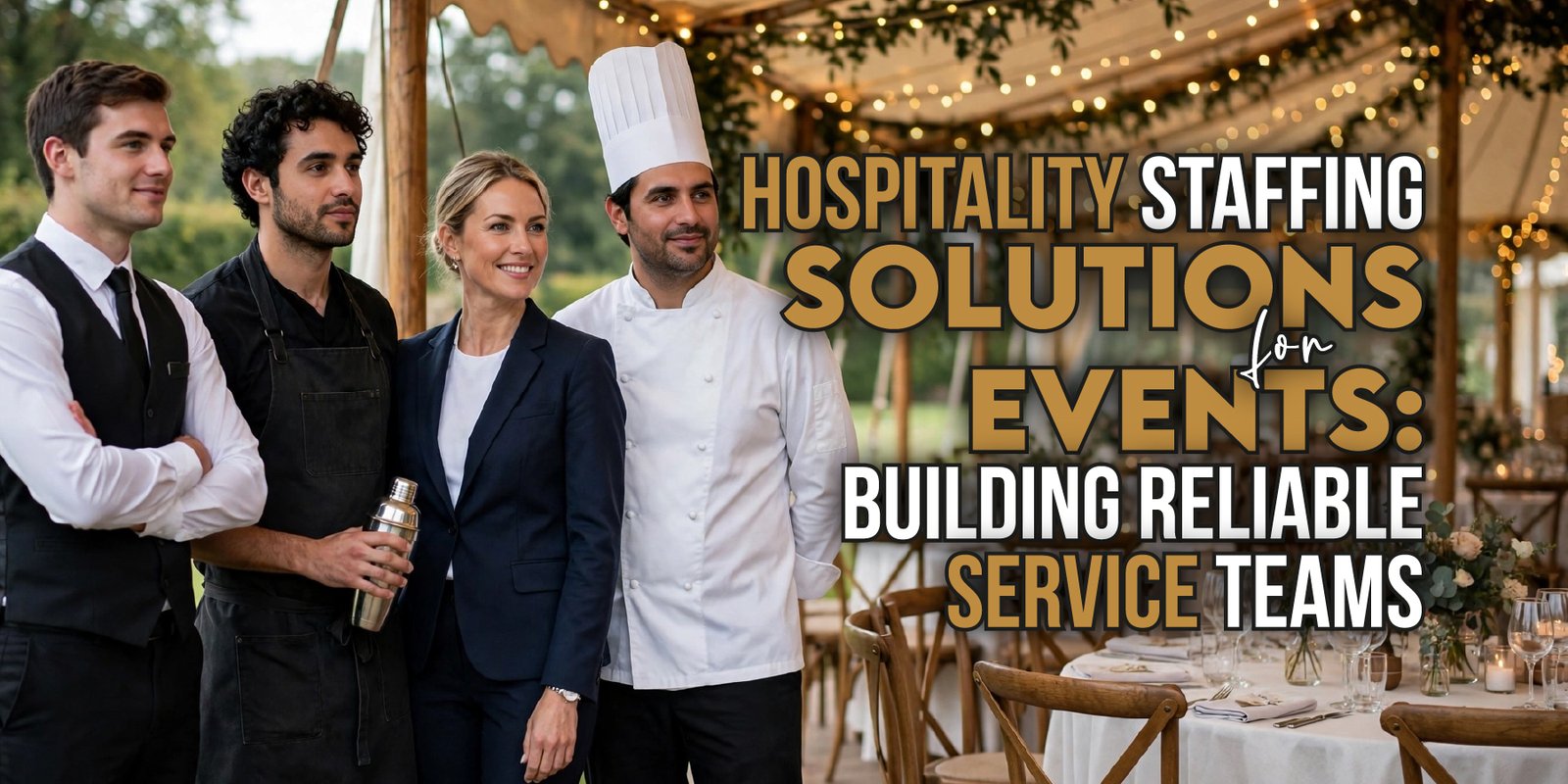
Hospitality staff directly shape how customers see your brand. In restaurants, hotels, cafés, bars, event venues and conference spaces, your team creates the first impression, delivers the service experience and influences whether guests return. Therefore, hospitality recruitment should never focus only on filling shifts. It should focus on finding people who represent your brand professionally.
Poor hiring can quickly damage customer experience, online reviews, repeat bookings, service consistency and operational confidence. One unreliable waiter, one unhelpful receptionist or one poorly prepared bar staff member can affect the whole guest journey. Meanwhile, strong hospitality recruitment helps businesses choose hospitality staff who communicate well, stay reliable on shifts and work confidently under pressure.
For UK restaurant owners, hotel managers, venue managers, hospitality operators, event organisers, HR teams and operations managers, the goal is clear. You need staff who understand your standards, treat guests properly and support the service style your business promises.
This guide explains how hospitality recruitment helps businesses find front-of-house staff, customer service staff and wider hospitality workers who reflect brand values and improve guest satisfaction.
What Is Hospitality Recruitment?
Hospitality recruitment is the process of finding, screening and supplying staff for hospitality businesses. It covers both customer-facing roles and operational support roles across restaurants, hotels, venues, cafés, bars, catering businesses and event spaces.
Hospitality recruitment can support roles such as:
- Front-of-house staff
- Waiters and waitresses
- Bar staff
- Reception teams
- Customer service staff
- Porters
- Housekeeping support
- Event staff
- Catering assistants
- Public area cleaners
- Venue staffing teams
- Banqueting and conference staff
However, hospitality recruitment is not just about availability. A good hire must match the role, the shift pattern, the service environment and the brand standard. For example, a five-star hotel may need polished front-of-house staff with strong communication skills. A busy restaurant may need waiters who can move quickly and stay calm during peak service. Likewise, an event venue may need flexible staff who understand timing, teamwork and guest flow.
A professional hospitality staffing agency can help businesses find staff who match both operational needs and customer expectations.
Why Hospitality Recruitment Matters for Brand Reputation
Hospitality recruitment matters because your staff become the face of your business. Customers may not see your marketing strategy, supplier standards or internal systems. However, they do see how your team greets them, serves them, handles problems and manages pressure.
Reliable hospitality staff can support:
- Better customer experience
- Stronger first impressions
- Higher review scores
- More repeat bookings
- Better table turnover
- Smoother event delivery
- Cleaner public areas
- Faster guest response times
- Stronger service consistency
- Reduced pressure on managers
For example, a restaurant with friendly, efficient waiters can turn a busy evening into a positive customer experience. A hotel with professional reception staff can make guests feel welcomed from arrival. Similarly, a venue with organised bar staff, porters and event staff can deliver a smoother function.
On the other hand, poor hospitality recruitment can create visible service problems. Guests may wait too long, staff may communicate poorly, tables may remain uncleared, rooms may not turn around quickly and online reviews may suffer.
Because reputation drives future bookings, hospitality businesses need staff who protect the brand in every customer interaction.
How to Find Hospitality Staff Who Represent Your Brand Well
Strong hospitality recruitment starts with brand fit. Skills matter, but attitude, communication and service standards often matter just as much.
Customer service attitude
Hospitality staff should enjoy dealing with people. They need patience, confidence and a helpful approach. In restaurants, hotels and venues, customer service attitude can shape the full guest experience.
Communication skills
Good communication helps staff speak clearly with customers, managers and colleagues. It also reduces mistakes during busy service, hotel check-ins, event setup and bar operations.
Presentation standards
Presentation matters in hospitality. Front-of-house staff, reception teams, bar staff and waiters should understand uniform standards, grooming, body language and professional appearance.
Reliability and punctuality
Reliability affects every shift. Late staff can disrupt service, increase pressure on others and weaken customer experience. Therefore, hospitality recruitment should always include reliability checks where possible.
Teamwork
Hospitality depends on teamwork. Staff must support each other, follow instructions and respond quickly when service pressure rises.
Ability to work under pressure
Busy restaurants, high-occupancy hotels and large venues can become intense. The right hospitality staff stay calm, focused and professional during peak periods.
Experience in restaurants, hotels or venues
Experience can help staff adapt faster. However, businesses should still assess attitude, reliability and brand fit before making decisions.
Understanding of guest expectations
Good hospitality staff understand that guests expect service, clarity and professionalism. They also know how to handle complaints without damaging the brand.
Flexibility for busy shifts
Weekends, evenings, holidays, events and seasonal periods often need flexible staffing. Strong hospitality recruitment helps businesses find people who can support real shift demands.
Professional behaviour
Professional behaviour includes punctuality, politeness, teamwork, honesty and respect for workplace standards. It also protects your brand when managers are busy elsewhere.
Front-of-House Staff: Why First Impressions Matter
Front-of-house staff often create the first human interaction with your brand. In a restaurant, they may greet customers and manage tables. In a hotel, they may handle check-in and guest questions. At an event venue, they may guide guests, answer queries and support crowd flow.
Because of this, front-of-house staff need more than basic experience. They need confidence, courtesy, awareness and the ability to stay composed.
Strong front-of-house staff help with:
- Guest greetings
- Queue handling
- Table flow
- Visitor guidance
- Complaint handling
- Service presentation
- Brand tone
- Customer confidence
A poor front-of-house experience can affect the entire visit. Even if the food, room or event setup is good, weak communication at the start can damage customer perception.
Therefore, hospitality recruitment for front-of-house roles should focus on personality, communication, presentation and reliability.
Customer Service Staff and the Guest Experience
Customer service staff support the guest journey before, during and after the visit. They may answer enquiries, manage bookings, handle complaints, guide guests, support reception areas or help resolve service issues.
In hospitality, customer service staff need to act quickly and professionally because customers often expect immediate answers. Delays or poor communication can lead to frustration.
Good customer service staff help businesses:
- Respond faster to enquiries
- Handle complaints calmly
- Improve guest satisfaction
- Support repeat bookings
- Protect online reviews
- Reduce manager pressure
- Maintain brand standards
For example, a hotel receptionist who handles a room issue calmly can prevent a negative review. A venue team member who helps guests find the right area can improve event flow. Similarly, restaurant customer service staff who manage booking changes clearly can reduce confusion.
This is why hospitality recruitment should assess service mindset, not only job history.
Direct Hiring vs Using a Hospitality Staffing Agency
Direct hiring and using a hospitality staffing agency both have value. However, each option suits different staffing needs.
Direct hiring may work well when you need long-term staff for permanent roles. For example, a hotel may hire a full-time reception supervisor, or a restaurant may recruit a permanent floor manager.
However, direct hiring can take time. Managers need to advertise roles, screen applicants, arrange interviews, check availability and onboard new staff. During busy periods, this can move too slowly.
A hospitality staffing agency can support businesses when they need:
- Fast cover
- Temporary hospitality staff
- Event staffing
- Venue staffing
- Front-of-house support
- Customer service staff
- Seasonal staff
- Backup shift cover
- Flexible staffing support
A hospitality staffing agency can also help when a business wants wider support for busy periods, holidays, staff absence or unexpected demand.
The best approach often combines both models. Permanent staff create stability, while agency support adds flexibility. As a result, businesses can maintain standards without overloading their core team.
Common Hospitality Recruitment Mistakes to Avoid
Poor hospitality recruitment can cost businesses time, money and reputation. Avoid these mistakes before they affect service quality.
Hiring too quickly without proper screening
Urgency can lead to poor decisions. Even when a shift needs cover, employers should still check role suitability, attitude and reliability.
Choosing staff only by availability
Availability matters, but it does not guarantee customer service ability or brand fit.
Ignoring communication skills
Hospitality staff need clear communication. Without it, service mistakes increase and guest experience suffers.
Not checking reliability
Unreliable staff create rota gaps, service delays and pressure on permanent workers.
Weak onboarding
Even experienced staff need guidance. Explain uniform standards, service style, shift rules, reporting lines and site expectations.
Poor shift planning
Weak shift planning can leave key areas uncovered. For example, a venue may have bar staff but not enough porters, or a hotel may have reception cover but not enough housekeeping support.
Failing to match staff with brand standards
A luxury hotel, casual café and busy event venue all need different staff styles. Match people to the environment.
Underestimating front-of-house pressure
Front-of-house roles require patience, energy and confidence. Do not treat them as simple entry-level placements.
Not planning for peak periods
Weekends, events, holidays, festivals, seasonal demand and large bookings need early planning.
Choosing the wrong recruitment partner
A weak partner may send unsuitable workers. Choose a recruitment provider that understands operational staffing and customer-facing roles.
Hospitality businesses can also learn from recruitment mistakes employers should avoid in other operational sectors. Many hiring mistakes that cost businesses come from weak screening, late planning and poor role matching.
When to Use Temporary, Permanent and Flexible Hospitality Staff
Different hospitality needs require different staffing models. Strong hospitality recruitment helps businesses choose the right approach.
Use temporary hospitality staff when:
- You need urgent shift cover
- A busy weekend is approaching
- Event bookings increase
- Staff absence affects service
- Seasonal demand rises
- A hotel needs housekeeping support
- A venue needs extra bar staff
- Short-term customer service staff are required
Temporary hospitality staff can help businesses respond quickly without committing to permanent hiring too early.
Use permanent hospitality staff when:
- The role is ongoing
- Service standards need long-term consistency
- The business needs team stability
- The role needs training and development
- Customer relationships matter
- The position includes supervisory duties
Permanent staff help build culture and brand consistency.
Use front-of-house staff when:
- Guest interaction is frequent
- First impressions matter
- Reception or hosting needs support
- Customer flow needs control
- Brand presentation needs improvement
Front-of-house staff are critical for restaurants, hotels, conference venues and event spaces.
Use customer service staff when:
- Guest communication needs improvement
- Enquiries need faster responses
- Complaints need calm handling
- Booking support is required
- Customer satisfaction needs attention
Customer service staff help protect brand reputation throughout the guest journey.
Use flexible agency support when:
- Demand changes weekly
- Managers need backup options
- Several roles need cover
- Peak periods create pressure
- Internal hiring cannot move quickly enough
A hospitality staffing agency can help businesses combine these models into a more reliable staffing plan.
How Better Hospitality Recruitment Protects Brand Reputation
Better hospitality recruitment improves guest satisfaction, reduces staffing pressure, supports busy periods and protects brand reputation.
When the right people join the right shifts, businesses can improve:
- Service consistency
- Guest communication
- Staff punctuality
- Team morale
- Front-of-house presentation
- Table turnover
- Room turnaround
- Event delivery
- Online reviews
- Repeat bookings
For example, a restaurant with reliable waiters can manage peak service more smoothly. A hotel with prepared housekeeping staff can reduce room delays. A conference venue with strong customer service staff can keep guests informed and supported.
Better staffing also reduces pressure on existing employees. When teams feel supported, they can focus on quality instead of rushing to cover gaps.
This is where staffing solutions that improve productivity offer useful lessons. The right staff improve output, consistency and service delivery across many operational environments.
Operational Recruitment Lessons Hospitality Businesses Can Use
Hospitality businesses can learn from recruitment lessons used in warehouses, logistics and other fast-moving operational sectors. These environments also rely on punctual workers, clear processes, productivity and role suitability.
For example, avoiding poor recruitment decisions helps any business reduce disruption. Whether you manage a warehouse or a hotel, unreliable staff can slow operations and increase pressure on managers.
Similarly, reliable staffing solutions show how the right workers improve service delivery. Hospitality businesses can apply the same thinking to restaurant staff recruitment, venue staffing, front-of-house roles and customer service staff.
Useful operational recruitment lessons include:
- Screen for reliability early
- Match workers to real shift demands
- Avoid hiring only by availability
- Train staff before pressure peaks
- Track performance after placement
- Plan for absence and demand spikes
- Use flexible staffing before gaps become urgent
- Choose a partner that understands operational pressure
When hospitality businesses apply these lessons, hospitality recruitment becomes more structured, more reliable and more commercially useful.
Hospitality Recruitment Checklist
Use this checklist before hiring hospitality staff or choosing a hospitality staffing agency.
Brand fit
- Do staff understand your service style?
- Can they communicate with guests professionally?
- Do they match your presentation standards?
- Can they represent your brand confidently?
- Do they understand guest expectations?
Reliability
- Have you checked punctuality where possible?
- Can they commit to required shifts?
- Do they understand attendance expectations?
- Can they handle busy periods?
- Are they suitable for customer-facing work?
Role suitability
- Do you need front-of-house staff?
- Do you need customer service staff?
- Do you need bar staff, porters or waiters?
- Do you need temporary or permanent support?
- Does the role require venue staffing experience?
Planning
- Have you reviewed peak periods?
- Have you planned for staff absence?
- Do you need weekend or evening cover?
- Have you considered event calendars?
- Do you need flexible agency support?
Recruitment partner
- Does the agency understand hospitality recruitment?
- Can it supply suitable hospitality staff?
- Does it communicate clearly?
- Does it understand operational pressure?
- Can it help you request hospitality staffing support?
If several answers are yes, your business may benefit from structured hospitality recruitment support.
People Also Ask
What is hospitality recruitment?
Hospitality recruitment is the process of finding and supplying staff for restaurants, hotels, venues, cafés, bars, events and other customer-facing hospitality businesses.
Why is hospitality recruitment important?
Hospitality recruitment is important because staff directly affect service quality, customer experience, online reviews, repeat bookings and brand reputation.
What does a hospitality staffing agency do?
A hospitality staffing agency helps businesses find temporary, permanent and flexible hospitality staff, including front-of-house staff, customer service staff, waiters, bar staff, porters and venue staff.
How do I hire hospitality staff who fit my brand?
Hire hospitality staff who fit your brand by checking customer service attitude, communication skills, presentation standards, reliability, teamwork, flexibility and experience in similar environments.
When should I use temporary hospitality staff?
Use temporary hospitality staff for busy weekends, events, seasonal peaks, staff absence, high occupancy periods, venue staffing needs and urgent shift cover.
Conclusion
Hospitality staff represent your brand in every customer interaction. They greet guests, answer questions, manage service pressure, handle complaints and support the overall experience. Therefore, hospitality recruitment should focus on more than filling rota gaps.
A strong hospitality recruitment process helps restaurants, hotels, venues, cafés, bars and catering businesses find staff who reflect brand values, deliver strong customer service and stay reliable on shifts. It also helps businesses source front-of-house staff, customer service staff, temporary hospitality staff and flexible venue staffing support when demand changes.
However, better recruitment starts with better planning. Employers should define brand standards, check reliability, assess communication skills, plan for peak periods and choose a staffing partner that understands hospitality pressure.
If your hospitality business wants staff who represent your brand professionally, now is the right time to review your staffing process and build a stronger recruitment plan.
Get Hospitality Recruitment Support
Need hospitality staff who represent your brand professionally? Request a quote from H&D Recruitment today and get reliable hospitality recruitment support for your restaurant, hotel, or venue.
Whether you need front-of-house staff, customer service staff, waiters, waitresses, bar staff, porters, venue staffing support, temporary hospitality staff or flexible agency workers, H&D Recruitment can help you build a more dependable team.
If you want better service standards, stronger guest experience and staff who reflect your brand, speak to H&D Recruitment and get a hospitality recruitment quote today.