A hospitality business can look fully staffed and still struggle badly. The dining room may have enough waiting staff, yet rooms are not ready. Reception may be polished, yet housekeeping is stretched. Guests may be welcomed warmly, yet service slows because the kitchen porter team is short, linen handling is delayed, or stock support is missing. In hospitality, service quality depends on what guests see and what they never see.
That is why front-of-house vs back-of-house staffing matters so much. Too many businesses focus heavily on visible roles because those jobs shape first impressions. However, behind-the-scenes teams carry a large part of the operational burden. If the back-of-house function is thin, front-of-house teams usually end up firefighting. As a result, guest experience, service flow, and staff morale can all suffer.
Across the UK, this matters even more because hospitality employers are dealing with labour shortages, changing guest expectations, fluctuating occupancy, busy periods, and pressure to keep costs under control. Therefore, staffing should not be planned as two separate conversations. Instead, front-of-house and back-of-house recruitment should be treated as one connected workforce decision.
For hotels, restaurants, venues, and mixed-use hospitality operations, the right staffing mix depends on service model, location, labour availability, occupancy or footfall, and how the operation actually runs day to day. A smart staffing structure is not about headcount alone. It is about keeping operational flow steady while protecting guest satisfaction.
Why Front-of-House and Back-of-House Staffing Matters in the UK
In UK hospitality businesses, service is judged quickly. Guests notice a slow check-in, a missed drinks order, an unprepared room, or a delayed table reset almost immediately. However, those visible problems often begin with an invisible staffing gap.
For example, a busy hotel may appear to need more reception staff because queues are building. In reality, the pressure may start in housekeeping if room readiness is falling behind. Likewise, a restaurant may think it has a front-of-house issue because tables are not turning fast enough. Yet the root cause may be back-of-house support, food prep pressure, or inadequate clearing capacity.
Because hospitality operations are connected, staffing balance matters just as much as staffing volume. Moreover, labour shortages in the UK mean employers often cannot afford to hire reactively or in isolation. Hospitality staffing in your area may be tight, especially during peak travel periods, weekends, or event-heavy calendars. Therefore, decision-makers need a more practical view of which roles truly protect service.
The Difference Between Front-of-House and Back-of-House Staffing
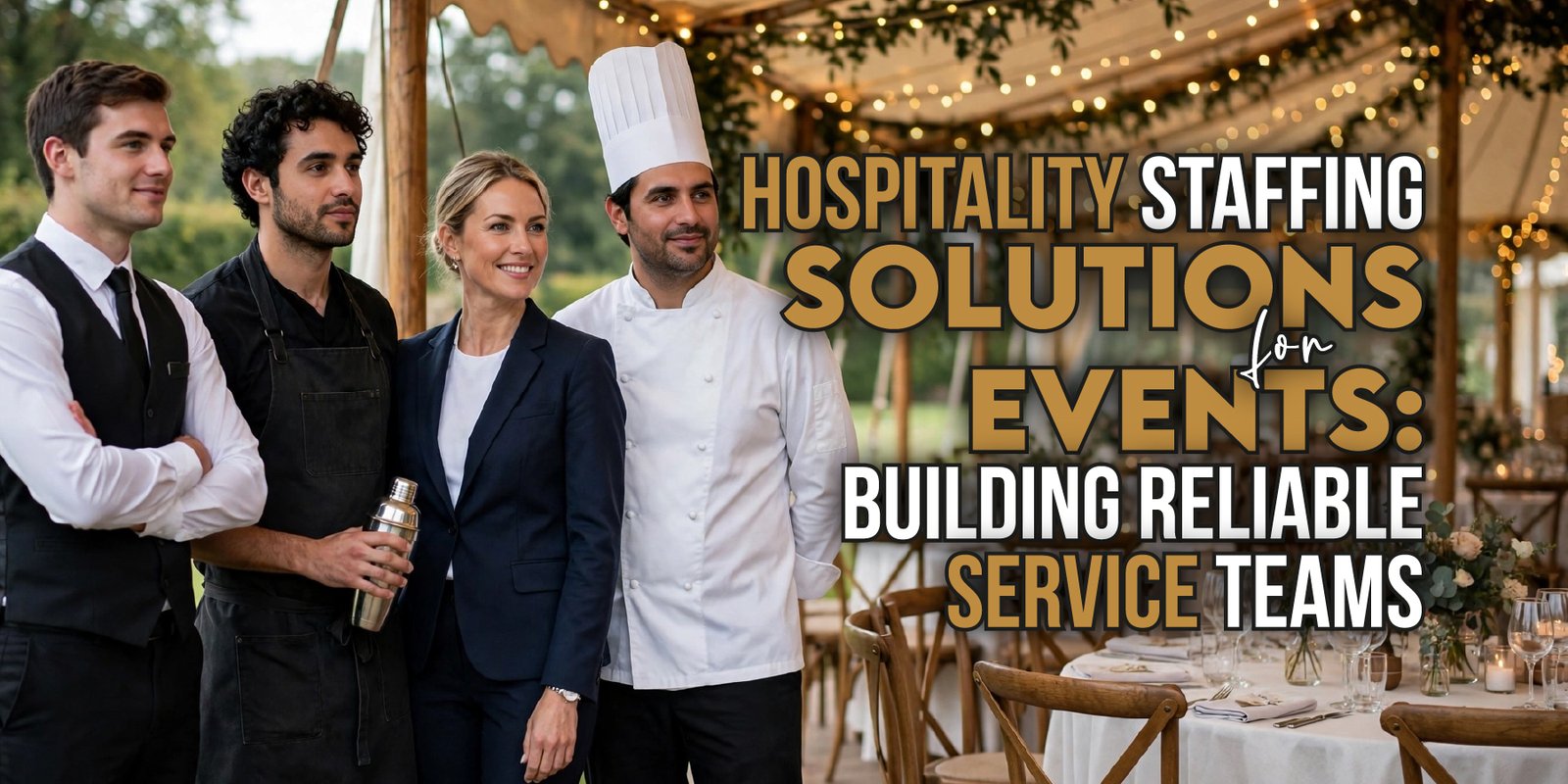
Front-of-house staffing covers the roles guests interact with directly. These team members shape the visible service experience. They welcome, guide, serve, communicate, and often handle live guest expectations in real time.
Back-of-house staffing supports the operation behind the scenes. These workers may not be the face of the business, yet they keep the service machine moving. They prepare rooms, manage cleaning, handle stock, support food prep, move linen, clear pressure points, and help frontline teams deliver consistently.
The difference sounds simple, but in practice the line can blur. A concierge team, for instance, is clearly guest-facing, while housekeeping is clearly behind the scenes. However, some roles sit between service and support. Event setup staff, runners, linen handlers, or stock assistants may not serve guests directly, yet they still affect the guest experience every hour of the day.
That is why staffing decisions should focus less on titles alone and more on operational impact. Front-of-house protects the visible service standard. Back-of-house protects the ability to deliver it.
Key Front-of-House Roles Hospitality Businesses Usually Need
Front-of-house staffing usually carries the most immediate guest-facing pressure. These roles require communication, presentation, pace, and calmness under pressure. However, the exact mix depends on whether the business is hotel-based, restaurant-led, event-led, or mixed-use.
Reception
Reception teams often shape the first and last impression. In UK hotels especially, reception staff manage arrivals, departures, questions, complaints, and room-related coordination. Therefore, they need strong communication, confidence, and accuracy.
Hosts
Hosts help manage guest flow, seating, welcome standards, and first-contact experience. In restaurants and venues, this role can improve organisation significantly, especially during busy services or event arrivals.
Waiting Staff
Waiting staff are central to table service, guest interaction, upselling, and pace control. Because they are visible throughout the guest journey, reliability and attitude matter just as much as service speed.
Concierge Support
Concierge support is especially relevant in hotels and premium venues. These roles help with guest requests, local guidance, assistance, and practical service coordination. In addition, they often support brand perception and personalised service.
Guest Services
Guest services teams deal with requests, issues, coordination, and service recovery. Although this function may vary by venue, it usually plays an important role in protecting satisfaction when things do not go exactly to plan.
Front Desk Support
Front desk support may include check-in assistance, queue management, reservations help, or peak-time reception cover. This is particularly useful during high-occupancy periods, event arrivals, or weekend surges.
Customer-Facing Venue Roles
Some venues also need broader customer-facing roles, such as event hosts, cloakroom assistants, conference support staff, or public-area service workers. Because these jobs shape how the venue feels, role clarity matters. This is where wider thinking around understanding guest-facing operational roles can be useful in public-facing venue environments, especially where hospitality and security coordination overlap naturally.
Key Back-of-House Roles Hospitality Businesses Usually Need
Back-of-house staffing is often underestimated because guests do not interact with it directly. However, weak support staffing often creates the front-of-house problems managers end up chasing.
Kitchen Porter Support
Kitchen porter support is essential in many restaurants, hotels, and venues. These workers help maintain kitchen flow, cleanliness, equipment turnover, and service support. Without them, service speed and hygiene standards can come under pressure quickly.
Housekeeping
Housekeeping is fundamental in hotels, serviced accommodation, and mixed-use venues. Room readiness, public-area standards, and turnaround speed depend heavily on this function.
Room Attendants
Room attendants carry a major share of daily operational quality in accommodation settings. Because occupancy patterns can change quickly, shortages here often affect check-in flow, guest satisfaction, and frontline pressure.
Cleaning Support
Cleaning support may cover public areas, washrooms, venue spaces, back corridors, and event resets. Although this role is less visible in planning discussions, it strongly affects brand perception and operational smoothness.
Stores or Stock Support
Stock support helps keep food, beverage, linen, amenities, and venue essentials moving to the right place at the right time. If this area is weak, service delays often appear elsewhere.
Food Prep Support
Food prep support can improve kitchen efficiency, especially during high-volume periods. In addition, it can reduce pressure on chefs and service teams when covers rise sharply.
Linen Handling
Linen handling is critical in hotels, events, and restaurant operations with high turnover. Delays here can affect room readiness, table setup, and overall presentation.
Behind-the-Scenes Operational Roles
Some businesses also need runners, dishwash support, back corridor support, setup teams, or waste-handling support. These jobs may not be glamorous, yet they often protect the flow of the entire operation.
How Front-of-House and Back-of-House Teams Work Together to Protect Service Quality
Service quality is rarely the result of one strong department. Instead, it usually comes from coordination between visible and behind-the-scenes teams.
A hotel check-in runs smoothly because reception is informed and rooms are ready. A restaurant service feels polished because waiting staff, runners, kitchen support, and clearing roles are aligned. An event looks effortless because setup teams, guest-facing staff, linen handling, and service staff are all working to the same plan.
This is why staffing gaps in one area quickly affect the other. If housekeeping is short, reception absorbs guest frustration. If kitchen porter support is weak, waiting staff feel the knock-on effects through slower service. If front desk support is thin, guest services may end up firefighting issues they could have prevented earlier.
Therefore, the best staffing structures plan both sides together. Businesses that only recruit for visible service often end up overloading the invisible support layers that make good service possible.
How Staffing Priorities Change by Hotels, Restaurants, Venues, and Event-Led Operations
Different hospitality settings need different staffing mixes. A hotel, a restaurant, and an event venue may all need front-of-house and back-of-house staff, but the pressure points are not identical.
Hotels often need a broader staffing structure. Reception, concierge support, guest services, housekeeping, room attendants, linen handling, breakfast teams, and public-area support can all matter at once. As a result, hotel staffing structure UK businesses use tends to be more layered.
Restaurants often feel pressure through waiting staff, hosts, bar teams, kitchen porter support, and food prep support. Because table turns and service timing matter so much, even a small staffing imbalance can affect covers and guest satisfaction quickly.
Event-led venues usually need flexible front-of-house welcome teams, setup support, clearing staff, and operational coordination that can expand or contract with the event calendar. Meanwhile, mixed-use venues may need a blend of hotel, restaurant, and event staffing thinking.
Local conditions matter too. UK hotels in city centres may face different labour competition from those in leisure destinations. Restaurant staffing in the UK can also vary sharply by area, especially where transport, tourism, or weekend demand affect worker availability. Therefore, local recruitment support often makes more difference than generic staffing assumptions.
Common Staffing Mistakes Hospitality Businesses Make
One common mistake is prioritising guest-facing roles while underestimating support pressure. Managers often see the front desk queue or busy floor team first. However, the operational problem may begin behind the scenes.
Another frequent error is planning temporary cover only for one side of the business. A venue may add waiting staff during a busy spell, yet fail to strengthen stock, clearing, or kitchen porter support. As a result, the service still feels strained.
Some businesses also hire too narrowly for speed. Quick supply can help, but recruitment quality, reliability, and role fit matter just as much. A fast hire who is unsuited to the pace or service model can create more disruption than support.
In addition, some employers treat permanent recruitment and temporary staffing as separate strategies. In reality, they often work best together. Temporary hospitality staff can protect busy periods and shift coverage, while permanent hires stabilise core operations over time.
Finally, many operators do not review the wider structure often enough. Broader guidance on how to effectively staff your hospitality business can help managers step back and assess where the real pressure sits across service and support roles.
How to Decide What Mix of Front-of-House and Back-of-House Staff You Need
The right mix depends on what drives your operation. A boutique hotel with high service expectations may need stronger reception, guest services, and room-attendant coverage. A high-turnover restaurant may need more waiting staff at peak times, but it may also need stronger kitchen porter and clearing support to keep service moving. A venue with event-led demand may need more flexible front-of-house and setup teams rather than a static staffing model.
Start by identifying where service slows when the business gets busy. Is it guest arrival, table service, room turnaround, stock flow, kitchen support, or cleaning standards? Once you know where the pressure appears first, you can make better staffing decisions.
You should also review occupancy, footfall, service level, guest profile, venue size, and labour availability. Because hospitality staffing in your area may be tighter for some roles than others, the ideal structure on paper may need adapting in practice.
Most importantly, plan staffing as an operating flow. If one role depends heavily on another, recruit and rota them accordingly. That usually leads to a far more resilient team structure than counting front-of-house and back-of-house posts separately.
How the Right Recruitment Partner Helps Maintain Balance, Flexibility, and Service Consistency
A strong recruitment partner helps businesses see staffing balance more clearly. Rather than only filling vacancies, the right partner can help identify which roles are urgent, which roles are structurally important, and where support staffing may be affecting visible service.
This matters during busy periods, staff shortages, growth, and operational change. A hotel may need temporary room attendants and front desk support at the same time. A restaurant may require waiting staff plus back-of-house support to keep service steady. A venue may need guest-facing event workers supported by behind-the-scenes setup and reset teams.
Because of that, recruitment value comes from fit as well as speed. Good workers should suit the environment, understand the pace, and support the wider team. That is often how service consistency is protected during change.
For UK hospitality businesses, local labour conditions, service standards, and venue type all shape the right answer. A recruitment partner that understands those realities can often help maintain better balance without overcommitting to the wrong structure.
Conclusion
The debate around front-of-house vs back-of-house staffing is not really about choosing one over the other. It is about understanding how both sides work together to protect guest experience, operational flow, and service consistency.
Front-of-house teams shape what guests see, hear, and feel. Back-of-house teams make that experience possible. When one side is under-resourced, the other usually pays for it. That is why the strongest hospitality staffing strategy plans guest-facing and support roles together, not separately.
If your hotel, restaurant, or venue needs help finding the right balance of front-of-house and back-of-house staff, H&D Recruitment can support you with practical hospitality staffing solutions that fit your operation, service level, and workforce needs.
People Also Ask Questions
1. What is the difference between front-of-house and back-of-house staff?
Front-of-house staff work directly with guests and usually include reception, hosts, waiting staff, concierge support, and guest services. Back-of-house staff support operations behind the scenes, such as housekeeping, room attendants, kitchen porters, cleaning teams, and stock support. Both are essential because visible service quality depends heavily on behind-the-scenes operational support.
2. Which is more important in hospitality, front-of-house or back-of-house?
Neither is more important on its own. Front-of-house shapes guest interaction, while back-of-house protects the operational flow that makes good service possible. If either side is under-resourced, standards can slip quickly. Therefore, hospitality businesses usually perform better when both areas are planned and staffed together.
3. What front-of-house roles do hotels and restaurants usually need?
Hotels and restaurants commonly need reception staff, front desk support, hosts, waiting staff, guest services, and sometimes concierge-style support depending on the venue. The exact mix depends on service model and guest expectations. In addition, event-led venues may require more customer-facing support during busy periods or large functions.
4. What back-of-house roles are most important in hospitality?
Key back-of-house roles often include kitchen porter support, housekeeping, room attendants, cleaning support, stock support, linen handling, and food prep support. Which roles matter most depends on the operation. For example, hotels may prioritise housekeeping and room attendants, while restaurants may rely more heavily on kitchen porter and prep support.
5. Can temporary hospitality staff cover both front-of-house and back-of-house roles?
Yes, temporary hospitality staff can support both areas when the roles are clearly defined and the business uses proper briefing and supervision. Temporary cover is often useful during busy periods, absences, and seasonal peaks. However, role fit, reliability, and service attitude matter just as much as speed of supply.
6. Why do hospitality businesses often understaff back-of-house roles?
Many businesses notice front-of-house pressure first because it is more visible to guests and managers. However, that can lead them to underestimate the operational support required behind the scenes. As a result, they may add guest-facing staff without strengthening housekeeping, stock, cleaning, or kitchen support, which still affects service quality.
7. How do I decide the right staffing mix for my venue?
Start by reviewing where service slows, where teams become overstretched, and which roles create knock-on problems elsewhere. Then assess venue type, occupancy or footfall, labour availability, and service style. The right mix usually depends on operational flow rather than simple headcount totals, especially in busy hospitality environments.
8. How can a recruitment agency help with hospitality staffing balance?
A good recruitment agency helps businesses understand which roles are urgent, which are structurally important, and how front-of-house and back-of-house teams affect each other. In addition, it can provide temporary and permanent support across both areas. That often improves flexibility, service consistency, and workforce planning during busy or changing periods.